Jekyll2025-01-05T15:37:18-06:00https://www.campingforge.com/feed.xmlCamping Tips From Camping ForgeIf you are looking for the best camping and RV tips, then this website is for you!Backpacking Cots Vs Sleeping Pads | How To Choose2024-01-09T05:32:00-06:002024-01-09T05:32:00-06:00https://www.campingforge.com/blog/backpacking-cots-vs-sleeping-padsIf you are going on a multi-day hike that will cover several miles every day, you will want to use a sleeping pad. If you are only hiking a short distance or will be setting up a basecamp for several days, then you can consider a backpacking cot.
Sleeping pads will be warmer with better insulation and can be stacked together for improve warmth. Cots will be more comfortable than a closed-foam pad and can’t be punctured or deflated.
Cots will be an extra 3 to 5 pounds that you have to carry. You will need to decide if that weight is worth it. You may have to decide to take the cot instead of a chair.
If you are car camping and have a low-profile tent, a backpacking cot would be better than an inflatable sleeping pad.
Key Takeaways:
Backpacking cots and sleeping pads are popular options for outdoor sleeping gear.
Consider factors like weight, portability, insulation, and comfort when choosing between cots and pads.
Sleeping pads are lightweight and compact, ideal for backpackers and hikers.
Cots are bulkier and heavier, suitable for car camping or shorter backpacking trips.
Sleeping pads provide insulation by creating a barrier between your body and the ground.
Understanding the Basics: What Are Backpacking Cots and Sleeping Pads?
Definition and Purpose of Backpacking Cots and Sleeping Pads
Backpacking cots are portable beds made of fabric and metal sides that elevate you off the ground while sleeping. They provide a comfortable sleeping surface and are particularly popular among car campers.
Sleeping pads are lightweight and compact mats that provide insulation and cushioning when placed directly on the ground. They are favored by backpackers and hikers who prioritize weight and packability.
Both cots and pads serve the purpose of providing a comfortable sleeping surface, but they differ in design and functionality.
The Weight Debate: Backpacking Cot vs Sleeping Pad
When considering your sleeping gear options for backpacking, weight plays a crucial role. Backpackers and hikers who prioritize reducing pack weight often choose sleeping pads over backpacking cots.
Sleeping pads are a popular choice among backpackers and hikers due to their lightweight and compact nature. These pads are easy to carry on long treks, ensuring that you can comfortably rest wherever your adventure takes you. They are designed to be portable, making them an ideal choice for ultralight backpackers.
In contrast, backpacking cots tend to be heavier and bulkier, making them more suitable for car camping or shorter backpacking trips where weight may not be a primary concern. These cots provide a more elevated and comfortable sleeping surface but come at the cost of added weight in your backpack.
Both backpacking cots and sleeping pads offer ultralight versions, catering to those who prioritize weight-saving. However, it’s essential to keep in mind that ultralight options may sacrifice some comfort and durability compared to their standard counterparts.
Cot Weight
Pad Weight
4.9 pounds
1.5 pounds
Packing It Up: Comparing the Portability of Cots and Pads
When it comes to choosing the right sleeping gear for your outdoor adventures, portability is a crucial factor to consider. Whether you’re a minimalist backpacker or a space-conscious traveler, finding a sleeping solution that is easy to pack and carry can make your journey much more convenient and enjoyable. In this section, we will compare the portability of backpacking cots and sleeping pads to help you determine the best option for your needs.
Space-Saving Design of Sleeping Pads
Sleeping pads are known for their space-saving design that allows them to be easily rolled up or folded into a compact size. This makes them particularly ideal for backpackers with limited space in their packs. Whether you’re embarking on a long hiking trip or simply looking to optimize your gear, sleeping pads offer the flexibility to be attached to the outside of your backpack or stored inside a compression sack. Their lightweight and compact nature make them a popular choice among minimalist backpackers who prioritize portability.
Travel-Friendly Features of Ultra-Light Cots
On the other hand, ultra-light backpacking cots are designed with travel-friendliness in mind. They often feature collapsible frames and utilize lightweight materials, allowing for easy and hassle-free transportation. While they may not offer the same level of compactness as sleeping pads, they provide a comfortable sleeping surface without sacrificing durability. Ultra-light cots are great for travelers who value the convenience of a cot-style sleep experience but still want a portable option for their adventures.
Finding the Best Option for Minimalist Backpackers
For minimalist backpackers who prioritize both portability and comfort, sleeping pads often offer the best combination. With their space-saving design and lightweight construction, they can easily be packed and carried on extended hikes or backpacking trips. Additionally, sleeping pads provide sufficient insulation and cushioning, ensuring a comfortable night’s sleep while keeping pack weight to a minimum. By choosing a high-quality sleeping pad that meets your specific needs, you can enjoy the benefits of portability without compromising on comfort.
Sleeping Pads
Backpacking Cots
Space-saving design
Travel-friendly features
Lightweight and compact
Comfortable sleeping surface
Can be attached to backpack or stored in compression sack
Collapsible frames for easy transportation
Perfect for minimalist backpackers
Ideal for car camping or shorter trips
By carefully considering the portability of backpacking cots and sleeping pads, you can make an informed decision that aligns with your travel style and minimalistic preferences. Whether you choose the compactness of a sleeping pad or the convenience of an ultra-light cot, both options offer unique advantages for a memorable and comfortable outdoor experience.
Evaluating Insulation: How Sleeping Pads Keep You Warm
When it comes to camping in cold weather, insulation is a crucial factor to consider. The right sleeping gear can make all the difference in staying warm and comfortable throughout the night. In this section, we will explore how sleeping pads provide insulation, compare the differences in R-Value between cots and pads, discuss the role of body heat and heat loss during camping, and highlight important considerations for cold weather camping.
Differences in R-Value Between Cots and Pads
The insulating properties of sleeping pads are often measured by their R-Value. R-Value is a numerical value that indicates the thermal resistance of the material. Higher R-Values indicate better insulation. Sleeping pads typically have higher R-Values compared to backpacking cots.
The Role of Body Heat and Heat Loss During Camping
When camping in cold weather, your body heat is crucial for keeping warm. Sleeping pads create a barrier between your body and the cold ground, preventing heat loss and retaining body heat. This insulation helps to keep you warm and comfortable throughout the night.
Considerations for Cold Weather Camping
Cold weather camping requires careful consideration of insulation. It’s important to choose a sleeping pad with a high R-Value to effectively insulate against the cold ground. Additionally, consider using additional insulation measures, such as foam pads or double-layering sleeping pads, for added warmth. These measures can help to minimize heat loss and provide a comfortable sleeping environment even in chilly temperatures.
Adjustability and Comfort: Sleeping Pad Versatility
When it comes to choosing a sleeping pad for your outdoor adventures, comfort and adjustability are crucial factors to consider. Sleeping pads offer a high level of versatility in terms of customizing the firmness and support according to your personal preference.
Customizing Firmness for Personal Preference
One of the main advantages of sleeping pads is the ability to customize the level of firmness. Inflatable pads, for example, allow you to adjust the firmness by adding or releasing air. This feature enables you to find the optimal level of support and cushioning that suits your individual comfort needs.
Alternatively, foam pads offer a more solid and cushioned surface that provides a consistent level of support. These pads are ideal for individuals who prefer a firmer sleeping surface or prefer not to rely on adjusting air levels.
Inflatable vs. Foam Pads: A Closer Look
When deciding between inflatable and foam pads, it’s important to consider the trade-offs. Inflatable pads tend to be lighter and more compact, making them ideal for backpackers or anyone concerned with reducing pack weight. On the other hand, foam pads offer more durability and are less prone to punctures, making them a reliable option for longer trips or more rugged terrain.
Back Support and Sleeping Positions on Various Surfaces
Regardless of the type of pad you choose, both inflatable and foam pads provide essential back support, promoting proper spinal alignment while you sleep. Additionally, these pads are designed to accommodate different sleeping positions, ensuring a restful night’s sleep no matter which position you prefer.
Whether you’re sleeping on rocky ground, a tent floor, or in a hammock, a well-designed sleeping pad will provide the necessary cushioning and support to keep you comfortable throughout the night.
By considering factors such as adjustability, comfort, and support, you can choose a sleeping pad that aligns with your personal preferences and ensures a restful night’s sleep during your outdoor adventures.
]]>Mark WilcoxThe Guide To Dome Tents2023-12-31T06:00:00-06:002023-12-31T06:00:00-06:00https://www.campingforge.com/blog/guide-to-dome-tents
I have been camping for 30 years. Most of those nights have been in dome tents.
Dome tents are well suited for all campers and especially for backpackers. Portable dome tents maximize usable space in a smaller package. Dome tents also provide excellent protection from the wind and rain that you will encounter in the outdoors.
Key Takeaways:
Dome tents are a popular choice for camping and outdoor adventures.
They have a unique structural design that offers advantages in inclement weather.
Dome tents are wind resistant, compact, and easy to set up.
They come with various features that enhance durability and customization options.
Dome tents stand out compared to other tent types and have specific uses.
Most dome tents are made from nylon and polyester. These are common synthetic materials that save weight while being waterproof and at a low price. There are newer materials like Dynema that are even stronger, lighter-weight, and water-repellent but are expensive.
One of the major benefits of dome tents is their exceptional wind resistance. Thanks to their unique structural design, these tents are built to withstand strong winds and turbulent weather conditions. The aerodynamic shape of dome tents allows wind to flow smoothly over the curved surface, minimizing the risk of the tent collapsing or getting damaged. This makes dome tents an ideal choice for camping in areas prone to high winds or inclement weather.
Compact and Convenient for Backpackers
Backpacking enthusiasts will appreciate the compact and lightweight nature of dome tents. These tents are designed to be portable and space-efficient, making them easy to carry in a backpack. Their compact size allows backpackers to save valuable space and reduce the overall weight of their gear, leaving more room for other essentials. Whether you’re embarking on a long-distance hiking trip or exploring remote wilderness areas, dome tents are the go-to option for backpackers seeking convenience and mobility.
Quick and Easy Set-Up Process
When you’re out in the wilderness, you want a tent that can be set up quickly and effortlessly. Dome tents excel in this aspect, as they are known for their user-friendly set-up process. Most dome tents feature a simple pole structure with color-coded segments, allowing for easy assembly even for beginners. With just a few simple steps, you can have your dome tent ready for a restful night’s sleep or a sheltered space to relax and unwind.
Benefits of Dome Tents
Enhanced Wind Resistance
Compact and Convenient for Backpackers
Quick and Easy Set-Up Process
Dome Tent Features That Stand Out
When it comes to choosing a tent for your outdoor adventures, durability and customization are key factors to consider. Dome tents, in particular, offer a range of features that make them a popular choice among campers and backpackers alike.
Durability and Material Composition
One of the standout features of dome tents is their durability. These tents are designed to withstand varying weather conditions, ensuring that you stay protected and comfortable throughout your camping trip. The material composition of dome tents is carefully chosen to enhance their durability and longevity.
Most dome tents are made from high-quality materials such as nylon or polyester. These materials are known for their strength and resistance to tearing, ensuring that your tent can withstand the rigors of outdoor use. Additionally, dome tents often have reinforced seams and sturdy poles to provide added stability and durability.
Whether you’re camping in a windy desert or a rainy forest, a durable dome tent will keep you safe and dry, allowing you to enjoy your outdoor adventure to the fullest.
Customization Options and Modern Upgrades
Another noteworthy feature of dome tents is their customizable nature. Many tent manufacturers offer a range of options and upgrades to ensure that your tent suits your specific needs and preferences.
Customization options can include additional storage pockets, gear lofts, or even removable room dividers to create separate sleeping areas. Some dome tents also come with built-in electrical ports or LED lighting systems, providing added convenience and comfort during your camping experience.
Modern upgrades can further enhance the functionality of dome tents. Features like color-coded pole systems, intuitive clip attachments, and easy-to-use zippers make setting up and taking down the tent a breeze. These user-friendly features save you time and frustration, allowing you to make the most of your outdoor adventure.
With a wide range of customization options and modern upgrades available, dome tents provide campers with the flexibility to create a personalized camping experience that suits their unique needs.
Dome Tent vs. Cabin Tent: An In-Depth Analysis
First, let’s compare the structure and design of dome tents and cabin tents. Dome tents, as the name suggests, have a symmetrical dome-like shape. This design offers excellent stability and allows for efficient rain runoff. On the other hand, cabin tents have a more traditional and spacious design with vertical walls and a flat roof, providing ample headroom and comfort.
When it comes to ease of setup, dome tents take the lead. Their simple two-pole construction makes them quick and easy to assemble, perfect for those who value convenience and efficiency. Cabin tents, though more spacious, may require more time and effort to set up due to their larger size and additional poles.
However, one key advantage of cabin tents over dome tents is their generous interior space. Cabin tents typically have straighter walls, allowing for more usable space and the ability to comfortably stand upright. This makes cabin tents ideal for family camping trips where comfort and space are a priority.
The Performance in Extreme Weather Conditions
Now let’s turn our attention to the performance of dome tents and cabin tents in extreme weather conditions. When it comes to wind resistance, dome tents have the upper hand. Their aerodynamic shape and sturdy pole structure make them more resistant to strong winds, ensuring that your shelter remains secure even during gusty weather.
On the other hand, cabin tents may not fare as well in windy conditions due to their larger surface area and vertical walls, which can catch the wind more easily. However, cabin tents excel in providing a stable and comfortable shelter during heavy rain or snowfall. Their vertical walls allow rain or snow to slide off easily, preventing water buildup and potential leaks.
It’s important to note that both dome tents and cabin tents can withstand various weather conditions, but their designs and features make them better suited for specific purposes. Dome tents are excellent for backpacking trips or locations with unpredictable weather, while cabin tents are ideal for family camping trips where comfort and space are paramount.
Now that we have explored the differences between dome tents and cabin tents, as well as their performance in extreme weather conditions, you can make an informed decision based on your specific needs and preferences. Remember to consider factors such as ease of setup, interior space, and weather resistance when selecting the right tent for your next outdoor adventure.
When To Choose A Dome Tent
When it comes to selecting the perfect tent for camping, the dome tent stands out as a top choice, and there are compelling reasons why it should be your go-to option. For nearly half a century, dome tents have proven their worth as the best general-purpose tents, offering a blend of reliability, convenience, and versatility that is hard to match. This long-standing reputation is not just based on tradition but on consistent performance in diverse camping environments.
One of the most appealing aspects of dome tents is their wide availability at every price point, making them accessible to all types of campers, from beginners to seasoned adventurers. Whether you’re shopping on a budget or looking for a high-end model, you’ll find a dome tent that fits your needs. Retail giants like Amazon and Walmart offer an array of dome tents, with options available for less than $50. This affordability ensures that everyone, regardless of their financial constraints, can enjoy the great outdoors.
While the more economically priced dome tents might not boast top-tier features like advanced ventilation systems or ultra-durable materials, they still offer fundamental benefits. Even at lower price points, these tents are designed to provide essential protection from the elements. They are adept at keeping you warm and dry, which is a critical consideration for any camping trip. The basic models might not have the bells and whistles of their pricier counterparts, but they do not compromise on providing a safe and comfortable shelter.
]]>Mark WilcoxMaximize Space With Top RV Storage Ideas2023-12-30T05:00:00-06:002023-12-30T05:00:00-06:00https://www.campingforge.com/blog/max-space-rv-storage-ideas
When staying in an RV you will always be struggling with space. Even more so with family in the RV with you. The RV must carry your clothes, food, and possible fishing or hiking gear.
You will need to minimize when staying in an RV, but this will still be tight on space. Thankfully, modern materials, storage science, and creativity are here to help.
Key Takeaways:
Implementing smart storage solutions can help you make the most of your RV space.
Organizing your RV not only reduces stress but also saves time during your travels.
From the kitchen to the bedroom, there are various storage hacks for every area of your RV.
Utilizing multi-purpose furniture and accessories can provide added storage without sacrificing comfort.
Properly securing outdoor gear and equipment is essential for a hassle-free travel experience.
Understanding the Value of Organized RV Living
One of the key benefits of RV organization is the reduction of stress. When everything has its designated place and is easily accessible, you can easily find what you need, eliminating the frustration of rummaging through cluttered cabinets or drawers. By creating an organized environment, you can focus on enjoying your travels instead of dealing with unnecessary chaos.
Having an organized RV also saves you time. Instead of spending hours searching for items or trying to fit belongings into cramped spaces, an organized RV allows for quick and efficient access to everything you need. Whether it’s cooking a meal, getting ready for the day, or packing up to move to the next destination, an organized RV streamlines these activities, allowing you to spend more time exploring and less time dealing with disorganization.
Another significant benefit of RV organization is the creation of a more efficient and functional living space. Through deliberate organization techniques, such as utilizing storage bins, shelves, and hooks, you can maximize storage capacity and utilize every inch of available space effectively.
This ensures that you have room for all your essentials and eliminates unnecessary clutter, creating a comfortable and enjoyable RV living environment.
Moreover, organized travel becomes much easier when everything in your RV is well-organized and easily accessible. Whether it’s setting up camp, planning routes, or packing up to leave, an organized RV allows you to navigate these tasks efficiently, reducing travel-related stress and ensuring a seamless and hassle-free travel experience.
The Key to Clutter-Free RV Kitchens
The kitchen is often one of the most challenging areas to keep organized in an RV, but with the right storage solutions, you can achieve a clutter-free kitchen space.
Adopting a Minimalist Approach with Nesting Cookware
One way to maximize the storage space in your RV kitchen is by adopting a minimalist approach with nesting cookware. Nesting cookware sets are designed to stack neatly together, taking up minimal space in your cabinets or drawers. These sets typically include pots, pans, and lids that can be nested together, allowing you to store them compactly when not in use. This clever storage solution not only saves space but also helps to keep your kitchen organized and clutter-free.
Transformative Space Savers: Collapsible Dishware and Utensils
Collapsible dishware and utensils are another game-changer when it comes to RV kitchen organization. These innovative products are designed to collapse or fold down, making them incredibly compact and easy to store. From collapsible bowls and plates to foldable cutting boards and measuring cups, there are plenty of options to choose from.
By using collapsible dishware and utensils, you can free up valuable cabinet and drawer space in your RV kitchen while ensuring that you have all the tools you need for cooking and dining on the road.
Implementing Vertical Storage with Hanging Racks and Hooks
In RV kitchens, every inch of storage space is precious. Implementing vertical storage solutions can help you make the most of your RV kitchen’s limited space. Consider installing hanging racks and hooks on the walls or cabinet doors to hang pots, pans, and utensils. This not only keeps everything within reach but also maximizes the storage capacity of your kitchen.
Hanging racks and hooks are versatile and can be customized to fit your specific storage needs. Whether you’re storing mugs, cooking utensils, or oven mitts, vertical storage helps to declutter your kitchen countertops and keep your RV kitchen well-organized.
Benefit
Description
Maximize storage space
Nesting cookware, collapsible dishware, and utensils save valuable cabinet and drawer space.
Efficient organization
By adopting a minimalist approach and using vertical storage solutions, you can keep your RV kitchen clutter-free and organized.
Easier meal preparation
Having well-organized and easily accessible cookware and utensils makes cooking in your RV kitchen a breeze.
RV Storage Ideas that Enhance Bathroom Efficiency
The bathroom in an RV is often limited in space, making it essential to find storage solutions that enhance efficiency. To optimize your RV bathroom space and keep everything organized, consider the following RV storage ideas:
Utilize vertical storage with shower caddies: Hang a shower caddy from the showerhead or attach it to the wall to hold toiletries, shampoo bottles, and other essentials. This keeps your shower area tidy and easily accessible.
Install wall-mounted dispensers: Opt for wall-mounted soap dispensers and toothbrush holders to free up counter space and reduce clutter. These dispensers can be securely attached to the wall, providing convenient access to your hygiene products.
Make use of under-sink organizers: The area under the bathroom sink is often underutilized. Install organizers designed specifically for RVs to maximize storage space. These organizers typically have adjustable shelves and compartments, allowing you to store toiletries and cleaning supplies efficiently.
Consider creative storage solutions: Think outside the box when it comes to storage. For instance, use pocket organizers on the back of the bathroom door for smaller items like hairbrushes, cosmetics, and medications. Alternatively, consider adding a hanging cabinet or fabric storage bins to store towels and extra toiletries.
By implementing these RV bathroom storage solutions, you can optimize your space and keep your bathroom organized, making your RV experience more comfortable and enjoyable.
Smart Storage Solutions for RV Bedrooms
The bedroom is your sanctuary in the RV, and it’s important to keep it organized and clutter-free. In this section, we’ll share smart storage solutions for RV bedrooms that will help you make the most of your space. From maximizing closet space with multi-functional hangers to utilizing under-bed storage containers and exploring innovative ideas for overhead compartments, you’ll find plenty of ideas to keep your RV bedroom tidy and functional.
Maximizing Closet Space with Multi-Functional Hangers
To maximize your RV’s closet space, consider using multi-functional hangers. These hangers are designed to hold multiple items, such as pants, skirts, and scarves, with specialized hooks or clips. By using multi-functional hangers, you can hang more clothing items in a limited space, making the most of your closet’s capacity.
Utilizing Under-Bed Storage Containers
The space under your RV’s bed is often overlooked, but it can be transformed into valuable storage space. Invest in under-bed storage containers that are specifically designed to fit in RVs. These containers are usually low-profile and have wheels for easy access. Use them to store seasonal clothing, bedding, shoes, or any items that you don’t need on a daily basis. By utilizing under-bed storage containers, you’ll free up closet space and keep your bedroom clutter-free.
Innovative Ideas for Overhead Compartments
Make use of the overhead compartments in your RV’s bedroom by incorporating innovative storage ideas. One idea is to install hanging garment bags or shoe organizers in the compartments. These bags and organizers allow you to store clothing, accessories, or shoes in a neat and organized manner while utilizing the vertical space. Another option is to use fabric or collapsible storage bins that can be easily stacked in the compartments, providing additional storage for items like towels, linens, or smaller accessories.
Revolutionizing Your RV Workspace with Organizational Gadgets
Whether you work on the road or just need a space to handle paperwork and other tasks, having an organized RV workspace is essential. In this section, we’ll introduce you to organizational gadgets that will revolutionize your RV workspace. From clever uses for command strips and hooks to desk organizers that double as decor, you’ll discover practical and stylish ways to keep your RV workspace tidy and optimized for productivity.
Clever Uses for Command Strips and Hooks
Command strips and hooks are versatile tools that can be used to keep your RV workspace organized. These adhesive strips and hooks can be easily mounted on the walls, cabinets, or any other suitable surface. They are perfect for hanging lightweight items such as calendars, whiteboards, and small office supplies. Command strips and hooks are also great for managing cables and cords, helping to declutter your workspace and prevent tangling.
Desk Organizers that Double as Decor
When it comes to organizing your RV workspace, it’s essential to make the most of every inch of space. Desk organizers that double as decor not only keep your office supplies neat and accessible but also add a touch of style to your workspace. Look for desk organizers with compartments and drawers to store pens, paperclips, sticky notes, and other small items.
Opt for organizers made from materials like bamboo or acrylic that blend seamlessly with your RV’s interior design. With the right desk organizer, you can maintain a clutter-free workspace that is both functional and visually appealing.
Organizational Gadget
Benefits
Command Strips and Hooks
Versatile and easy to use, Keeps items within reach,Avoids damage to surfaces
Desk organizers
Keeps supplies organized, Adds style to the workspace, Maximizes use of space
Tackling the Chaos in Your RV’s Entryway
The entryway of your RV is often a high-traffic area that can quickly become cluttered and chaotic. But with the right storage solutions, you can tackle the chaos and create a welcoming entryway in your RV.
Shoe Storage without the Bulk
When space is limited in your RV, finding effective shoe storage solutions can be a challenge. Bulky shoe racks and cabinets take up valuable space and can make your entryway feel cramped. However, there are alternative options that allow you to store your shoes without sacrificing space.
The Magic of Wall-Mounted Organizers
One of the best ways to maximize storage in your RV’s entryway is by utilizing wall-mounted organizers.
These versatile and space-saving solutions can help you keep everything from keys to sunglasses to mail neatly organized and easily accessible.
By installing wall-mounted hooks, shelves, and baskets, you can create a designated place for each item, preventing clutter from piling up. Plus, wall-mounted organizers take advantage of vertical space, allowing you to make the most of every inch of your entryway.
RV Storage Ideas That Keep Your Outdoor Gear in Check
One of the most convenient ways to store your outdoor gear is by utilizing the exterior storage compartments on your RV. These compartments are designed to securely hold and protect your items while you’re on the road.
Here’s a list of common outdoor gear items that are best stored in the exterior compartments:
Hiking and camping gear (tents, sleeping bags, camping mats)
Fishing gear (rods, reels, tackle boxes)
Water sports equipment (paddleboards, kayaks, snorkeling gear)
Properly Securing Bikes and Sporting Equipment While on the Move
Invest in a sturdy bike rack that is specifically designed for RV use. This will securely hold your bikes and prevent them from getting damaged during travel.
Use quality bike locks to deter theft. Lock your bikes to the rack and consider an additional cable lock to secure them to your RV or another fixed object.
For other sporting equipment like surfboards or paddleboards, utilize roof racks or storage systems designed to hold these items securely.
Consider using bungee cords or cargo nets to keep loose gear in place and prevent it from shifting during travel.
Expert Tips for Efficient Use of Cabinet Space
When it comes to organizing your RV cabinets, every inch counts. Here are some expert tips for maximizing the use of your cabinet space:
Use stackable containers or bins to make the most of vertical space.
Install wire racks or dividers inside the cabinets to create separate compartments for different items.
Label the contents of each cabinet so you can easily find what you’re looking for.
Utilize the cabinet doors by attaching small storage pockets or adhesive hooks for hanging small items.
Store items that are frequently used near the front of the cabinets for easy access.
The Advantages of Upgrading to High-Quality Storage Containers
Investing in high-quality storage containers is a game-changer for keeping your RV organized. Not only do they provide durable and reliable storage solutions, but they also offer several advantages. High-quality storage containers are designed to withstand the rigors of RV travel, ensuring that your belongings remain secure and protected even on bumpy roads.
They are also stackable, allowing you to make the most of vertical space and maximize storage capacity. Additionally, these containers often come with secure locking mechanisms, keeping your items in place during transit.
Finding the Right Balance: Practical Items versus Aesthetic Appeal
When accessorizing your RV for optimal storage and style, it’s important to find the right balance between practicality and aesthetic appeal. While it’s tempting to prioritize the visual aspect, it’s crucial to choose accessories that serve a functional purpose. Look for storage gadgets and gizmos that not only add a dash of charm to your RV but also contribute to efficient organization.
Consider practical items such as hanging organizers for shoes and accessories, collapsible storage bins, and versatile storage racks. By finding the right balance between practicality and aesthetics, you can create an organized and visually appealing RV interior.
]]>Mark WilcoxJingle Bells, Jingle Trails | Uncover the Secret to Perfect Winter Camping with This Festive Guide!2023-11-29T05:00:00-06:002023-11-29T05:00:00-06:00https://www.campingforge.com/blog/jingle-bells-jingle-trails-christmas
As the holiday season approaches, the familiar sound of jingle bells fills the air, evoking images of cozy firesides, twinkling lights, and festive cheer. But for the adventurous at heart, this season offers a unique opportunity to combine the joy of Christmas with the thrill of the great outdoors. Welcome to the world of winter camping, where the jingle of bells meets the rustle of trails, and the result is nothing short of magical.
Winter camping can be a daunting prospect for many. The chill in the air, the unpredictability of weather, and the challenge of staying comfortable can deter even the most seasoned campers. However, with the right preparation and mindset, winter camping can transform into an enchanting experience, offering serene landscapes, quieter campsites, and a unique way to celebrate the holiday season.
Embrace the Winter Wonderland
The first step to a successful winter camping trip is embracing the season. Winter landscapes offer a serene beauty that is often unmatched. Snow-covered trees, frozen lakes, and the crisp, clean air provide a backdrop that makes any camping trip feel like a page out of a Christmas storybook. To truly enjoy winter camping, one must appreciate the unique aspects that this season brings.
Gear Up for the Cold
The key to enjoying winter camping is staying warm and dry. This means investing in the right gear. A four-season tent, a sleeping bag rated for low temperatures, and an insulated sleeping pad are essential. Layering is crucial – thermal underwear, fleece layers, a waterproof outer layer, and, of course, a warm hat and gloves are must-haves. Don’t forget insulated boots to keep your feet warm and dry!
Festive Campsite Decorations
Who says you can’t bring the Christmas spirit to the campsite? String up some battery-powered fairy lights around your tent, hang a few lightweight ornaments on nearby trees, or even bring a small, portable Christmas tree. These small touches not only add to the festive atmosphere but also make your campsite feel cozy and welcoming after a day exploring the trails.
Campfire Cooking with a Holiday Twist
There’s nothing like a warm meal on a cold day. Take your campfire cooking to the next level by adding a holiday twist. Think roasted chestnuts, hot cocoa with marshmallows, or even a small Dutch oven to bake a festive treat. Remember to practice Leave No Trace principles – keep your cooking and food storage eco-friendly and bear-proof.
Enjoying the Silence
One of the most beautiful aspects of winter camping is the profound silence. With fewer campers and wildlife mostly hibernating, you can experience a level of peace and quiet that is hard to find during other seasons. This silence is perfect for reflection, meditation, or just enjoying the stillness of nature.
Safety First
Winter camping comes with its own set of challenges and risks. Always check the weather forecast before heading out and be prepared for sudden changes in conditions. It’s essential to know the signs of hypothermia and frostbite. Always inform someone of your camping plans and expected return.
Engage in Winter Activities
Winter offers a plethora of activities that you can’t enjoy during other seasons. Snowshoeing, cross-country skiing, and even building a snowman can be fun ways to explore and enjoy the winter landscape. Remember to respect wildlife and stay on designated trails.
Conclusion
Winter camping during the holiday season can be a magical experience, blending the joy of Christmas with the beauty of the natural world. With the right gear, a festive spirit, and a respect for the environment, you can uncover the secret to perfect winter camping. So, this holiday season, why not trade the sound of jingle bells for the jingle of trails and discover a new way to celebrate amidst the beauty of nature?
]]>Mark WilcoxWhat To Bring For Primitive Camping2023-11-27T06:49:00-06:002023-11-27T06:49:00-06:00https://www.campingforge.com/blog/what-to-bring-for-primitive-camping
Primitive camping, also known as backcountry camping or dispersed camping, refers to a camping style that involves setting up camp outside of developed campgrounds and without the usual amenities found in those areas, such as running water, electricity, toilets, or marked plots.
Primitive Camping Equipment
Equipment Category
Description
Tent or Shelter
A lightweight, weather-resistant tent or hammock for shelter.
Sleeping Bag and Pad
Insulated sleeping bag suitable for the climate and a sleeping pad for ground insulation.
Backpack
Durable backpack with enough capacity to carry all gear and supplies.
Water Filtration/Purification
Portable water filter or purification tablets to ensure safe drinking water.
Cooking Gear
Lightweight stove, fuel, and basic cookware for preparing meals.
Food Supplies
Non-perishable, high-energy food items such as nuts, dried fruits, and energy bars.
Navigation Tools
GPS device, map, compass, and the knowledge to use them effectively.
First Aid Kit
A well-stocked first aid kit for handling minor injuries and emergencies.
Clothing
Weather-appropriate and moisture-wicking clothing, including layers and rain gear.
Emergency Supplies
Essential items such as a whistle, multi-tool, fire-starting materials, and emergency blanket.
Headlamp or Flashlight
Reliable lighting source with extra batteries.
Due to its nature, primitive camping is often sought after for its solitude, connection with nature, and the challenge it provides, offering a more authentic and immersive outdoor experience compared to camping in developed sites.
You can choose to car camp or backpack when primitive camping.
Neither one is better or worse for camping. Backpacking does allow you to get to spots that cars cannot go to. On the other hand, I enjoy the simplicity of car camping.
Here in Dallas, we have the LBJ National Grasslands which provides both. If you are in the DFW area, look up the Valley View Group campsite. It’s a hidden primitive campsite gem. The campsite is easy to drive to on good roads.
You won’t have water but there are pit toilets. Optionally, you can hike to the campsite on the Blue Trail.
Car Camping
Backpacking
Definition
Camping near your vehicle at a campsite, allowing you to bring more equipment. Some may use their SUV, hatchback, or truck as a sleeping shelter.
Carrying all your gear in a backpack to a campsite, often hiking a distance from your vehicle or accessible roads.
Shelter
Option to use larger tents, or convert vehicles into sleeping areas.
Smaller, lightweight tents or hammocks are used due to the need to carry them.
Equipment
Ability to bring more and heavier equipment, such as comfortable chairs, large coolers, and extensive cooking gear.
Equipment must be lightweight and compact; only the essentials are carried.
Food and Cooking
Can include a variety of food and cooking options, even gourmet camp cooking.
Food is typically dehydrated or easy-to-cook; cooking gear is minimal.
Accessibility
More accessible, often with amenities like water, toilets, and sometimes electricity.
Typically involves more remote locations with limited or no amenities.
Comfort
Generally more comfortable with the ability to bring items like air mattresses and larger pillows.
Focused more on minimalism and essential comfort; luxury items are often left behind.
Preparation
Requires less meticulous packing, as space is less of a constraint.
Requires careful planning to ensure all essentials are included while keeping weight down.
The table provides a comparative analysis of two popular camping styles: car camping and backpacking.
Car camping is characterized by the convenience of camping close to your vehicle, allowing you to bring a wider range of equipment. This method does not necessarily mean sleeping in your car; however, many campers do convert their SUVs, hatchbacks, or trucks into comfortable sleeping quarters, similar to smaller RVs.
The proximity to your vehicle enables you to carry heavier and more luxurious items such as large tents, comfortable chairs, extensive cooking gear, and a variety of food options, enhancing the overall comfort and accessibility of your camping experience.
On the other hand, backpacking is a more minimalist approach, where all necessary gear is carried in a backpack. This often involves hiking to more remote locations, far from accessible roads or vehicles. Backpacking necessitates lightweight and compact equipment, with a focus on the essentials.
Shelter options typically include smaller tents or hammocks. The food carried is usually dehydrated or easy to cook, and cooking gear is minimal due to weight and space constraints. Backpacking demands meticulous planning and packing to balance the essentials with a manageable backpack weight, offering a more immersive nature experience at the cost of some comfort and convenience found in car camping.
Shelter and Sleeping
Primitive camping, a true back-to-nature experience, offers various shelter and sleeping options to suit different styles, whether you’re car camping or backpacking. The choice of shelter largely depends on how you’re accessing your campsite and how much gear you can carry.
For those who prefer car camping, where proximity to your vehicle allows for more gear, a larger tent is a great choice. These tents offer ample space, enabling a comfortable and relaxed camping experience. They can accommodate extra comforts like cots and air mattresses, enhancing the quality of sleep in the wilderness. Cots, when paired with a closed-cell foam mat, provide not just comfort but also insulation from the cold ground. This setup is ideal for those who prioritize a good night’s sleep and the convenience of car camping.
Backpacking, however, demands a different approach. Weight and space are crucial considerations. Backpacking tents are designed to be lightweight and compact, focusing on basic needs and efficiency. Many backpackers, myself included, opt for a tarp instead of a traditional tent. Tarps are significantly lighter and take up less space, though they offer less protection from the elements and insects. It’s a trade-off between comfort and practicality.
Hammocks are another popular option, especially for those looking to lighten their load. When using a hammock, a tent becomes unnecessary, saving weight and space in your backpack. However, it’s important to have suitable trees for setup and a tarp overhead in case of rain.
Regardless of your shelter choice, sleeping comfortably is key. For backpackers, a sleeping pad is essential. It’s not just about comfort; sleeping pads provide critical insulation, a feature that air mattresses lack. Air mattresses might be more comfortable, but they can leave you feeling colder due to the lack of insulation.
Finally, a sleeping bag is a must-have for any camping trip. Choosing a bag rated for the expected temperatures is crucial to ensure a cozy and safe sleep. A properly rated sleeping bag acts as the final barrier against the night’s chill, ensuring that your primitive camping experience is memorable for the right reasons.
Tent Options: Use a larger tent for car camping for comfort; opt for smaller, lightweight tents for backpacking.
Tarp for Backpacking: Consider a tarp as a lightweight alternative to tents when backpacking, saving space and weight.
Cots and Foam Mats: For car camping, cots paired with closed-cell foam mats offer comfort and insulation from the ground.
Hammock Use: Hammocks are a viable alternative to tents, especially for backpackers seeking to reduce load.
Sleeping Pads for Backpackers: Essential for insulation and comfort, sleeping pads are a must-have for backpacking.
Air Mattresses: More comfortable but less insulated than sleeping pads; better suited for car camping.
Sleeping Bag Selection: Choose a sleeping bag rated for the expected temperatures to ensure warmth and safety.
Clothing for All Conditions
Primitive camping clothing is no different than any other camping trip. You must be dressed for the weather. And if your camping trips are like mine, the best way to end a drought is to plan a camping trip. Thus, always be prepared to camp in the rain.
We have covered what to wear on camping trips in depth in other article. I will provide a list and links to those articles here:
Cooking on a primitive camping trip is not much different than if you are planning to camp at a front country campsite at a state park. You might find yourself with a longer trip to the store though if you forget something.
If you are car camping then fill up a cooler (we like the Yeti Tundra Hauler) with beverages and ice. I also fill up a 5-gallon collapsible container to make sure we have plenty of water on hand for cooking, cleaning, and fire control. If you are backpacking, you may find yourself needing to filter water and read our guide on using the Sawyer filter here.
Navigation Tools and Communication
Safety and navigation are critical aspects of primitive camping, demanding thorough preparation and a mindful approach. Before embarking on your journey, it’s vital to inform someone at home about your planned route and expected return time. This precaution ensures that in the event of an unexpected situation, help knows where to start looking.
Navigational tools are your lifeline in the wilderness. Keeping your GPS or smartphone charged is essential, and carrying extra batteries or a power bank can be a lifesaver. Modern technology, however, isn’t foolproof. Learning to use a compass effectively is a timeless skill that can guide you when electronic devices fail. A compass can help you maintain a straight line to a known safe point, an invaluable ability if you find yourself disoriented.
Even when venturing a short distance from your trail, such as for a restroom break, use your GPS or compass to mark your location. This habit helps prevent losing your way and ensures you can easily find your way back to the trail. In forests or uneven terrains, it’s surprisingly easy to get turned around, and these tools can be the difference between a quick return and a stressful ordeal. Learn what to do if you find yourself lost in this article.
Furthermore, always carry the five essentials of survival – a shelter, a means of signaling, fire-starting tools, water, and food – even if you’re just day hiking from your base camp. These items prepare you for unforeseen overnight stays or emergencies. By respecting these safety and navigation guidelines, you ensure a more secure and enjoyable primitive camping experience.
Modern Navigation and Communication Tools:
GPS Devices: In the modern world, a reliable GPS device should be your primary navigation tool. They are updated more frequently and provide real-time location data.
Satellite Phones: Devices like Garmin or Zoleo satellite phones are vital for staying in touch with loved ones and for emergencies, especially where cell service is unavailable.
Personal Locator Beacons (PLBs): If investing in a satellite phone isn’t feasible, a PLB is a critical safety item for sending distress signals in emergencies.
Cellular Technology Advancements:
Stay informed about the latest cellphone models, as brands like Apple are integrating satellite communication capabilities, enhancing safety and connectivity in remote areas.
Traditional Navigation Skills:
Despite technological advances, knowing how to use a compass to navigate straight lines is an invaluable skill, particularly if electronic devices fail.
Paper Maps: Always carry paper maps as a backup. They don’t rely on batteries and can be a lifesaver in situations where electronic navigation tools are compromised.
Feature
GPS
Map and Compass
Ease of Use
Highly user-friendly; usable by anyone with minimal instruction.
Requires training and practice to use effectively.
Reliability
Dependent on battery life and satellite signal; can be unreliable in certain terrains.
Not reliant on electronic signals or power, works in all terrains.
Real-Time Tracking
Provides real-time location tracking and directions.
Does not provide real-time tracking; requires manual triangulation for location.
Weight and Portability
Compact and lightweight; easy to carry.
Maps and compasses are light but require additional space; vulnerable to environmental conditions.
Cost
Can be expensive; requires investment in device and possibly subscription services.
Generally more affordable; no ongoing costs.
Longevity and Durability
Susceptible to damage from elements and potential technical failures.
Durable; works under various environmental conditions with no risk of technical failure.
]]>Mark WilcoxDressing Right for a Good Night – What to Wear to Bed When Camping2023-11-27T05:00:00-06:002023-11-27T05:00:00-06:00https://www.campingforge.com/blog/dressing-clothes-bed-for-camping
Opt for breathable, moisture-wicking fabrics like cotton or merino wool for general comfort, and in colder conditions, prioritize insulating materials such as fleece or wool. Layering is key, providing flexibility to adapt to varying temperatures throughout the night.
Comfort is also essential, so ensure that your sleepwear fits well, offering ease of movement without being too tight or too loose.
Finally, practical considerations are important: prepare for sudden weather shifts, pack extra socks for colder climates, and choose sleepwear that is lightweight and compact, especially when space and weight are considerations, such as in backpacking scenarios.
The choice of sleepwear while camping depends on factors like weather, location, and personal preferences. Whether nestled in a forest, perched on a mountain, or camped in a desert, your environment dictates your clothing needs. Comfort and safety are influenced by the material, fit, and design of your sleepwear. This article explores these aspects, providing recommendations for different camping environments and weather conditions.
Key Takeaways:
Material Matters: Opt for breathable, moisture-wicking materials like cotton or merino wool for comfort in various climates, and use insulating materials like fleece or wool in colder conditions.
The Importance of Layering: Implement a layering strategy for your sleepwear, allowing you to adjust easily to changing temperatures and conditions during the night.
Personal Comfort and Fit: Ensure that your sleepwear is comfortable and fits well, not too tight or too loose, to facilitate ease of movement and effective layering.
Practicality in Packing and Preparation: Prepare for unexpected weather changes, pack extra socks (especially woolen ones for cold environments), and choose sleepwear that is lightweight and compact for ease of carrying, especially when backpacking.
When embarking on a camping adventure, it’s crucial to understand the environment you’ll be sleeping in. The camping environment varies greatly depending on location and season, and these variations significantly influence your choice of sleepwear. From the cool, misty mountains to the dry, arid deserts, each setting presents unique challenges and requirements for nighttime attire.
In mountainous regions, temperatures can drop significantly at night, even during summer months, requiring layers of insulation. Conversely, in desert areas, days might be scorching, but nights can become surprisingly chilly. Forest environments offer a moderate climate but can be damp, demanding moisture-wicking materials in your sleepwear. Each of these environments also presents its own set of potential weather conditions, from clear skies to unexpected rain or snow.
Key Factors Affecting Sleepwear Choice:
Environment
Typical Conditions
Sleepwear Considerations
Mountains
Cool, variable weather
Insulation, layering
Desert
Hot days, cool nights
Breathability, light insulation
Forest
Moderate, possibly damp
Moisture-wicking, comfort
Seasonal Variations:
Spring: Unpredictable weather, requiring adaptability in sleepwear.
Summer: Lighter materials, focusing on breathability.
Fall: Transition to warmer layers, preparing for cooler nights.
Winter: Emphasis on heavy insulation and protection from extreme cold.
Pro Tip: “Always prepare for the unexpected. Even in familiar environments, weather can change rapidly. Layering your sleepwear allows for quick adjustments to maintain comfort throughout the night.”
Your camping experience can be greatly enhanced by recognizing and adapting to the unique characteristics of your camping environment. This awareness not only ensures comfort but also enhances your safety and enjoyment of the great outdoors.
Key Clothing Attributes for Camping Sleepwear
Key Clothing Attributes for Camping Sleepwear
Selecting the right sleepwear for camping is about understanding and balancing several key attributes: material, layering, and fit. Each attribute plays a crucial role in ensuring comfort and warmth, or coolness, as required by the camping environment.
Material: The material of your sleepwear can make a significant difference. Breathable fabrics like cotton or merino wool are excellent for maintaining a comfortable body temperature. They help wick moisture away from the body, which is essential in both warm and cool climates. In colder settings, materials with good insulation properties, like fleece or wool, are preferable.
Layering: Layering is a versatile strategy in varying climates. It allows you to adjust your body temperature by adding or removing layers as needed. A base layer that wicks moisture away, followed by an insulating layer, and a protective outer layer, can be the perfect combination for cold environments.
Fit: Comfort is key in sleepwear, and it’s significantly influenced by fit. Sleepwear shouldn’t be too tight, restricting movement, or too loose, which can cause issues with layering. The right fit contributes to better sleep quality and overall comfort.
Here’s a table summarizing these attributes:
Attribute
Description
Importance
Material
Breathable, moisture-wicking
Regulates body temperature, enhances comfort
Layering
Adaptable clothing strategy
Allows for temperature adjustment
Fit
Comfortable, not too tight or loose
Ensures ease of movement and layering efficiency
Expert Tip: “Don’t underestimate the power of the right material. In camping, the fabric of your sleepwear can be the thin line between a comfortable night and a restless one. Opt for materials that suit the climate you’re camping in.”
Practical Tips and Tricks
Selecting the right sleepwear for camping is more than just picking a random set of clothes; it involves considering practical aspects to ensure comfort, warmth, and adaptability to the environment. Here are some practical tips and tricks to help you make the best choices:
Prepare for Weather Variability: Weather can be unpredictable, especially in wild environments. It’s crucial to have sleepwear that can adapt to sudden changes in temperature or conditions. This means choosing clothing that can be easily layered or removed.
Pack Extra Socks: Feet often get cold at night, especially in outdoor settings. Packing extra socks, particularly thick, woolen ones for colder climates, can significantly enhance comfort.
Consider Sleepwear as Part of Your Layering System: Your nightwear should seamlessly integrate with your overall layering strategy for the trip. This includes having a moisture-wicking base layer, an insulating middle layer, and, if necessary, a wind or waterproof outer layer.
Choose Easy-to-Carry Sleepwear: Space and weight are at a premium when camping, especially if backpacking. Opt for sleepwear that is lightweight, compact, and can serve multiple purposes if needed.
Here’s a table summarizing these practical tips:
Tip
Description
Weather Preparedness
Choose adaptable sleepwear for unexpected weather changes
Extra Socks
Bring additional warm socks for cold nights
Integrated Layering
Ensure sleepwear aligns with your overall layering strategy
Compact and Multipurpose
Select lightweight, space-efficient sleepwear that can serve multiple purposes
Expert Advice: “Always check the weather forecast before your trip, but be prepared for it to be wrong. Layering your sleepwear allows you to adjust to unexpected conditions and maintain comfort.”
As we delve into the world of hot weather camping, insights from seasoned outdoor enthusiasts become a guiding light. They emphasize the criticality of choosing the right gear, not just for comfort but for safety under the sweltering sun. Even if you can keep your tent cool in the summer, you still need to dress properly.
They must be lightweight and wick away sweat while also providing protection against sunburn.
Mark Wilcox
This insight sheds light on several key aspects:
Lightweight Clothing: Vital for mobility and comfort during extended periods of physical activity.
Moisture Management: The ability to effectively wick away sweat is not just a matter of comfort but also of hygiene and skin health.
Sun Protection: Considering the intense exposure to UV rays, clothing that offers sun protection is a non-negotiable aspect.
Breathability: Garments that allow for air circulation are essential in preventing overheating and maintaining a stable body temperature.
Durability: The rugged nature of camping demands attire that can withstand the elements and the wear-and-tear of outdoor activities.
Versatility: Clothing that can adapt to changing weather conditions and diverse camping activities adds value to the camper’s wardrobe.
In essence, the choice of attire for hot weather camping goes beyond aesthetic considerations, encompassing a range of factors that ensure a safe and enjoyable outdoor experience. This comprehensive approach to selecting the right gear is crucial for those who wish to embrace the beauty of nature while staying protected from its harsher elements.
Understanding Weather Conditions
Selecting the appropriate base layers is a critical step in preparing for hot weather camping. These layers serve as the foundation of your outfit, directly impacting your comfort and performance in outdoor activities. Key points to consider include:
Fabric Choice: Opt for materials like polyester or merino wool for their moisture-wicking properties and breathability.
Fit and Comfort: Ensure a snug yet comfortable fit that allows for ease of movement.
Odor Resistance: Materials that inhibit odor are preferable for extended trips.
Layering Flexibility: Base layers should work well with other clothing items for effective layering.
Quick Drying: Fabrics that dry quickly are essential to prevent discomfort and chafing.
I wear Under Armor brand for my base-layer t-shirts. I have found them to be affordable, comfortable, and very effective at wicking away sweat.
Mark Wilcox
This approach to base layer selection highlights the importance of balancing functionality with personal preference. It’s not just about choosing any clothing item, but about selecting those that meet the specific demands of hot weather and the rigors of camping. By focusing on these key elements, campers can ensure they are well-prepared for their adventures, regardless of the temperature or terrain.
Choosing the Right Base Layers
To reach a length of approximately 300 words for Section 3, I’ll expand the content and include a table. Here’s the revised section:
Section 3: Selecting Appropriate Outer Layers
When it comes to hot weather camping, the choice of outer layers is as crucial as the base layers. These layers play a significant role in protecting against the elements while ensuring comfort. Here’s an in-depth look at selecting these critical components:
Material: Durability and breathability are key. Fabrics like lightweight nylon or breathable synthetics offer protection without trapping heat.
Fit: A loose fit is preferable as it allows for air circulation, helping to keep the body cool.
Versatility: Look for clothes that can adapt to changing weather conditions.
Protection: Outer layers should provide adequate protection from sun and insects.
Ease of Maintenance: Choose materials that are easy to clean and quick to dry.
Style and Comfort: Personal preference in style should not be overlooked, as comfort is subjective and varies from person to person.
I love Elimtick pants. They are lightweight, wick away sweat, and I haven't had a sunburn or tick bite in the past 3 years while wearing these pants.
Mark Wilcox
The right outer layer can make a significant difference in your overall comfort and protection.
Aspect
Details
Material
Lightweight, breathable, and durable fabrics.
Fit
Loose fit for better air circulation.
Versatility
Adaptable to varying weather conditions.
Protection
Shields against sun and insects.
Maintenance
Easy to clean and quick to dry.
Style and Comfort
Aligns with personal preference and comfort.
Opting for Light and Breathable Mid-Layers
Selecting the right mid-layers is a nuanced art. These layers provide additional protection and can be adjusted as temperatures fluctuate. Here’s an expanded view:
Material Choice: Favor materials that are light and promote air circulation. This aids in temperature regulation and comfort.
Layering Strategy: Mid-layers should complement both base and outer layers for effective insulation and breathability.
Adaptability: Choose mid-layers that can be easily added or removed based on temperature changes.
Moisture Management: Opt for fabrics that wick moisture away from the body, essential in hot and humid conditions.
Comfort and Fit: Ensure these layers fit comfortably without restricting movement.
I prefer to wear fishing shirts unbuttoned and untucked. I prefer that my undershirts are able to be tucked into my pants but this is personal preference.
Mark Wilcox
This tip highlights the importance of personal comfort and preference in layering strategies. The ability to adjust your layers based on your activity level and the weather is crucial for maintaining comfort during hot weather camping.
Here’s a table summarizing the key aspects of choosing mid-layers:
Aspect
Details
Material Choice
Light, breathable fabrics for comfort.
Layering Strategy
Should complement base and outer layers.
Adaptability
Easy to add or remove as needed.
Moisture Management
Wicking fabrics for humid conditions.
Comfort and Fit
Comfortable fit, allowing freedom of movement.
Selecting Appropriate Outer Layers
When it comes to hot weather camping, the choice of outer layers is as crucial as the base layers. These layers play a significant role in protecting against the elements while ensuring comfort. Here’s an in-depth look at selecting these critical components:
Material: Durability and breathability are key. Fabrics like lightweight nylon or breathable synthetics offer protection without trapping heat.
Fit: A loose fit is preferable as it allows for air circulation, helping to keep the body cool.
Versatility: Look for clothes that can adapt to changing weather conditions.
Protection: Outer layers should provide adequate protection from sun and insects.
Ease of Maintenance: Choose materials that are easy to clean and quick to dry.
Style and Comfort: Personal preference in style should not be overlooked, as comfort is subjective and varies from person to person.
I wear Elimtick pants. They are lightweight, wick away sweat, and I haven't had a sunburn or tick bite in the past 3 years while wearing these pants.
Mark Wilcox
Aspect
Details
Material
Lightweight, breathable, and durable fabrics.
Fit
Loose fit for better air circulation.
Versatility
Adaptable to varying weather conditions.
Protection
Shields against sun and insects.
Maintenance
Easy to clean and quick to dry.
Style and Comfort
Aligns with personal preference and comfort.
The Significance of Light Colors
When camping in hot weather, the color of your clothing can have a more significant impact than you might expect. Light colors are preferred for their ability to reflect sunlight, rather than absorbing it like darker colors. This choice can be crucial in managing body temperature and comfort. Here are some key points:
Reflects Sunlight: Light colors reflect sunlight, helping to keep the body cooler.
Less Heat Absorption: Dark colors tend to absorb more heat, which can be uncomfortable in hot weather.
Visibility: Brighter colors enhance visibility, an important safety aspect in certain outdoor environments.
"I prefer bright blue. Though I do wear a black base t-shirt. But I wear this shirt all year long and the dark colors hide grime better." --- Mark Wilcox
This insight reflects a practical approach to color selection, balancing the benefits of light colors for temperature management with personal preferences for aesthetics and practicality.
Accessories and Additional Gear
Section 6: Accessories and Additional Gear
For hot weather camping, accessories are not just add-ons but essential elements that enhance comfort and protection. They include a variety of items, from headgear to footwear, each serving a specific purpose.
Headgear: A wide-brimmed hat provides shade and protects against sunburn.
Neck Gaiter: Offers sun protection for the neck and can double as warmth in cooler weather.
Insect-Repellent Socks: Such as Elimitick hiking socks, to prevent bug bites.
Footwear: Lightweight, quick-drying, and grippy shoes like Salomon Men’s Speedcross are ideal for trail conditions.
I wear a no-name brand-wide brimmed hat.
Mark Wilcox
This recommendation emphasizes the importance of well-chosen accessories that cater to various needs, from sun protection to insect defense.
Accessory
Function
Wide-Brimmed Hat
Provides shade and sun protection.
Neck Gaiter
Protects neck from the sun; versatile for different weathers.
Insect-Repellent Socks
Prevents bug bites, essential in wooded areas.
Trail Running Shoes
Lightweight, quick-drying, and provide good grip.
Hydration and Nutrition Tips
Staying hydrated and maintaining proper nutrition are critical in hot weather camping. The challenges of the environment make it imperative to focus on these aspects for safety and performance.
Hydration: Regular and adequate water intake is essential to prevent dehydration.
Electrolyte Balance: Supplements like LMNT, Gatorade, or NUUN can help maintain electrolyte balance.
Innovative Solutions: Adding electrolyte tablets to coffee or carrying salt packets can be effective, especially in extreme conditions like desert hiking.
Monitoring Intake: Be conscious of the amount and frequency of water and electrolyte consumption.
I always carry a 1-liter water bottle that I can use to add electrolyte powders.
Mark Wilcox
Safety Considerations and Tips
In hot weather camping, safety is paramount. Being aware of the risks and knowing how to mitigate them is essential for a successful outdoor experience.
Stay Hydrated: Regular hydration is crucial to avoid heat-related illnesses.
Frequent Breaks: Take breaks often to prevent overheating.
Early Start: Begin activities early in the day to avoid the hottest temperatures.
Awareness of Weather Conditions: Even in cooler weather, dehydration and overheating can occur.
Always stay hydrated. Take frequent breaks. Get started early. Don't forget that you can get dehydrated even in cooler weather. The closest I've come to heat illness was in the low 80s.
Your winter camping clothing should consist of three layers: a base layer, a mid-layer, and an outer layer.
The clothing you wear can make all the difference in enjoying your outdoor adventure. From base layers to outer layers, we've got you covered with winter camping clothing essentials.
Winter is prime camping season for me because I live in Texas. But my friends don't like to camp if the temperatures get too cold. If you live in the northern US, you will face even more challenges because many campgrounds will close in the fall.
Camping in the snow is even more of a challenge than just cold weather.
It is important to take winter camping seriously. The snow is magical, and it's great to be free of bugs and snakes. But hypothermia is a risk. Thus, until you are comfortable with your winter camping skills, ensure your vehicle is nearby.
Key Takeaways
Layering is essential for winter camping.
Avoid cotton fabric as it retains moisture.
Winter camping clothing should consist of a base layer, a mid-layer, and an outer layer.
Choose clothing that is comfortable, breathable, and insulating.
Regulate your body temperature as you move from activity to rest.
Preventing Cold Injuries While Winter Camping
Winter camping can be a thrilling adventure, but it can also be dangerous if you are not properly prepared. Cold weather camping clothes are essential to protect yourself from cold injuries such as frostbite and hypothermia. Here are some tips to help you choose the right clothing for your winter camping trip.
Choosing the right clothing
When choosing your cold weather camping clothes, it's important to consider the conditions you'll be facing. Look for clothing made of materials that are both warm and moisture-wicking to keep you dry and comfortable. Synthetic materials like polyester and nylon are great options, as they dry quickly and wick moisture away from your skin.
I prefer to wear athletic undershirts such as Under Armor. They are lightweight and they wick away sweat. They also dry quickly.
You don't want to wear cotton as your base layer because it loses its warmth once it becomes wet. Cotton also takes forever to dry.
Though you can wear cotton as your mid-tier if you prefer.
It's popular to think that wool is better than cotton but it's not that simple. Wool takes a long time to dry. Wool is warmer than cotton when wet but it's not as good as synthetic materials. Some people also find wearing wool to feel scratchy.
A wool-synthetic blend is optimal.
Hand warmers are a great accessory to have while winter camping. They provide heat to your hands and can help prevent frostbite. There are disposable and reusable hand warmers on the market, so you can choose the option that works best for you.
Dressing in layers
Layering is essential to staying warm while winter camping. By wearing multiple layers, you can trap warm air between each layer and insulate your body. The three basic layers are the base layer, mid-layer, and outer layer. Make sure each layer fits well and does not restrict your movement.
Keeping your extremities warm
It's important to keep your hands, head, and feet warm while winter camping. Wear warm hats, gloves, and mittens to protect your hands and head from the cold. Consider investing in thermal socks and insulated boots to keep your feet warm and dry.
The Basics of Winter Camping Layers
Layering is essential for winter camping, as it allows you to adjust your clothing to your activity level and the outside temperature. Plus, it provides insulation and keeps you dry. The three basic layers are:
The Base Layer: This layer is worn closest to your skin and should be made of moisture-wicking fabric that keeps you dry by pulling moisture away from your skin. A good base layer also provides insulation to keep you warm. Keep in mind that cotton is not a good option for the base layer as it will trap moisture.
The Mid-Layer: This layer provides insulation and helps regulate your body temperature. Fleece jackets and down vests are perfect options. The mid-layer should be looser than the base layer, allowing for air circulation.
The Outer Layer: This layer is your first defense against the elements. A good outer layer should be waterproof and windproof. The outer layer also provides insulation.
So why is layering so important? When you're camping in cold weather, you want to minimize sweating, which can cause your clothing to become damp and can make you colder. With layering, you can remove layers as needed to regulate your body temperature. You can add layers when you're inactive or the temperature drops.
Layering Tips
Here are some tips to help you layer effectively for maximum warmth and comfort:
Try to use garments that are easy to put on and take off. Zippers and buttons are your friends. You don't want to remove all your layers to add or remove one.
Make sure each layer fits well and does not restrict your movement. This is especially important for the outer layer as a loose fit can make you colder.
Don't forget to layer your legs too. Wear long johns or thermal pants as your base layer and add insulated pants as your mid-layer. Then, add waterproof pants as your outer layer.
Expert Tip: If you're camping in extremely cold temperatures, consider adding an extra mid-layer for added insulation.
With proper layering, you'll stay warm, dry, and comfortable during your winter camping trip. Don't be afraid to experiment with different layers to find what works for you. And always check the weather forecast before leaving to ensure you are dressed appropriately. Don't forget to take your tent heater with you.
Choosing the Right Base Layer
When it comes to winter camping attire, the base layer is the foundation of your outfit. It's the layer closest to your skin and is essential for regulating body temperature and keeping moisture away from your body.
The most critical factor in selecting a base layer is the type of fabric. Look for materials that are moisture-wicking and insulating, such as merino wool or synthetic fabrics like polyester and nylon blends. Avoid cotton, as it absorbs moisture and can leave you feeling damp and chilled.
Additionally, consider the weight of the fabric. Lightweight base layers are suitable for high-intensity activities, while midweight or heavyweight layers are better for lower intensity activities or extremely cold environments. Choose the weight of the base layer according to your level of activity and the expected temperature.
When selecting your base layer, consider both tops and bottoms. Thermal underwear, long-sleeved tops, and leggings are all excellent options. Make sure the fit is snug but not too tight, allowing for movement and optimal insulation.
"Your base layer is the foundation of your winter camping outfit, so choose wisely to stay warm and dry."
Layering with the Mid-Layer
When it comes to winter camping outfits, the mid-layer is an essential component for keeping you warm and comfortable. This layer of clothing provides insulation and helps regulate your body temperature.
There are many options for mid-layers, and the best one for you depends on several factors, including the temperature, your activity level, and personal preferences. Here are some common mid-layer choices for winter camping:
Sweater
I prefer to wear a synthetic wool blend sweater. Choose the thickness that will work best for your area. I will never find myself camping in temperatures below twenty because it never gets that cold here in the Dallas area. So I can get by with a thinner sweater than someone who lives in Minnesota.
Thermal Underwear
Depending upon the weather this could be a base layer. In the South, you often wear this as a mid-tier because temperatures can vary widely. As an example, I have camped where the temperatures started in the 80s when set up camp on Friday and were in the 20s on Sunday morning.
Choosing the Right Outer Layer
When it comes to winter camping gear, choosing the right outer layer is essential to protect you from the elements. Your jacket or parka should be waterproof, windproof, and breathable, providing both warmth and comfort.
There are several types of outer layers to choose from:
Type of Outer Layer
Features
Hardshell Jacket
Designed for harsh weather conditions, waterproof and windproof
Softshell Jacket
Lightweight and breathable, water-resistant
Parka
Longer length for added warmth, insulated for extra protection
When selecting an outer layer for your winter camping gear checklist, consider the following:
Insulation: Look for an outer layer with proper insulation to keep you warm in freezing temperatures.
Fit: Ensure that your jacket or parka fits well and allows enough room for layering.
Features: Consider features such as adjustable cuffs, waist, and hood for customization and added protection.
Remember to keep in mind the weather conditions of your camping destination and choose an outer layer that suits the environment.
"Choosing the right gear is crucial when camping during the winter months. Make sure you have an outer layer that keeps you warm and dry."
Use Rain Gear As A Layer
The purpose of a rain suit is to keep you dry from the rain and protect you from the wind. I have found my rain jacket to be an effective mid-tier with just my T-shirt.
Don't Forget the Accessories
While you may have your base, mid, and outer layers covered, don't forget about the importance of accessories. These small items can make a big difference in keeping you warm and comfortable during winter camping.
Hats
A good winter camping hat should cover your head and ears, providing warmth and protection from the wind. Look for hats made of wool, fleece, or synthetic materials like polyester, which wick moisture away from your skin. Consider getting a hat with built-in ear flaps or a brim for added protection.
Gloves and Mittens
Your hands are especially susceptible to the cold, so it's essential to invest in a good pair of winter camping gloves or mittens. Choose gloves or mittens with insulation, such as down or synthetic materials. Look for gloves or mittens with adjustable cuffs to prevent cold air from creeping in. For added warmth, consider getting a pair of glove liners.
Scarves and Neck Gaiters
A scarf or neck gaiter can provide added warmth to your neck and face. Look for scarves or neck gaiters made of wool or fleece, which provide warmth and insulation while also pulling moisture away from your skin.
Socks
Proper socks are crucial to keeping your feet warm and dry during winter camping. Look for socks made of wool or synthetic materials, which provide insulation and wick moisture away from your skin. Wear a pair of liner socks underneath your wool socks for extra insulation.
By investing in quality winter camping accessories like hats, gloves, scarves, and socks, you can ensure that you stay warm and comfortable while enjoying the great outdoors during the colder months.
Keeping Your Feet Warm
When winter camping, it's crucial to keep your feet warm and dry. Cold and wet feet can quickly ruin your outdoor experience. To avoid this, you need the right footwear and accessories to keep your feet insulated and protected.
Winter Camping Boots and Booties
The right winter camping boots or booties will keep your feet warm, dry, and comfortable. Look for boots or booties with insulation, waterproofing, and a sturdy sole for traction. Many versions have a temperature rating so that you can choose a pair suitable for your winter camping destination.
Some popular winter camping boots include:
Boot Type
Description
Insulated hiking boots
These boots are designed for hikers and have a good level of insulation, making them ideal for winter camping. They are lightweight, waterproof, and have sturdy soles.
Mukluks
Mukluks are traditional Inuit boots that provide excellent insulation and warmth. They are made from animal hide and fur and are ideal for extremely cold temperatures.
Winter hiking boots
Winter hiking boots are similar to insulated hiking boots but have additional insulation for extra warmth. They also have durable soles and waterproof design.
Booties are an alternative to winter camping boots, and they can be worn in conjunction with the boots. They are ideal for wearing around the campsite at night when you don't need the full protection of the boots.
Socks and Foot Warmers
Good-quality socks are crucial for keeping your feet warm in winter camping. Look for socks made of wool or synthetic materials that will wick away moisture and keep your feet dry. Additionally, foot warmers can help keep your feet warm, especially on extremely cold nights. Insert them into your boots or booties to keep your feet toasty throughout the night.
By choosing the right winter camping boots, booties, socks, and foot warmers, you can ensure your feet stay warm and dry during your winter camping trip. Don't overlook the importance of proper footwear and accessories if you want to have a comfortable and enjoyable camping experience.
Stay Stylish Outdoors
Just because you're camping in the winter doesn't mean you can't look good while doing it. While functionality is key, you can still put together a stylish winter camping attire.
Choose Trendy Winter Jackets
A great winter jacket is a must-have for any winter camping trip. Choose a jacket that is not only warm and functional but also stylish. Opt for a trendy puffer jacket or a chic parka that will not only keep you warm but also make a statement.
Add Some Color
Winter camping attire doesn't have to be dull and boring. Add some fun and color to your outfit with colorful hats, scarves, and gloves. Choose colors that complement each other and make you feel good.
Pick the Right Boots
Invest in a good pair of winter boots that are both warm and stylish. Look for boots that have good insulation, are waterproof, and comfortable to walk in. You can even add a pair of booties to your winter camping gear checklist for extra warmth and style.
Accessorize with Style
Accessories are a great way to add style to your winter camping outfit. Choose hats, gloves, and scarves that not only look good but also provide warmth and comfort. Look for materials like wool and fleece that are both stylish and functional.
Layer Up with Style
Layering is key to staying warm and comfortable while winter camping. Choose layers that not only keep you warm but also look good. Opt for stylish fleece jackets or trendy down vests that you can layer under your winter jacket for added warmth.
FAQ
What should I wear for winter camping?
When winter camping, it's important to wear layers to stay warm and dry. Start with a moisture-wicking base layer, add an insulating mid-layer, and top it off with a waterproof and windproof outer layer.
How do I prevent cold injuries while winter camping?
To prevent cold injuries like frostbite and hypothermia, make sure to choose clothing that provides insulation and protects exposed areas. Accessories like hand warmers can also be helpful in keeping extremities warm.
What are the basics of winter camping layers?
Winter camping layers consist of a base layer, mid-layer, and outer layer. The base layer helps regulate moisture, the mid-layer provides insulation, and the outer layer protects against the elements.
What should I look for in a base layer?
When choosing a base layer, opt for moisture-wicking fabrics that keep your skin dry. Look for insulation properties to provide extra warmth. Base layer tops and bottoms should fit snugly but not restrict movement.
How do I layer with the mid-layer?
Layering with the mid-layer involves adding an insulating garment like a fleece jacket or a down vest. This layer helps trap heat and regulate body temperature. It should be worn over the base layer and under the outer layer.
What should I consider when choosing an outer layer for winter camping?
The outer layer should be waterproof and windproof to protect against snow, rain, and strong winds. Options include waterproof jackets or parkas, as well as softshell jackets and insulated pants.
What accessories are essential for winter camping?
Essential winter camping accessories include hats, gloves, and mittens. Look for materials that provide insulation and features like waterproofing and touchscreen compatibility for added convenience.
How can I keep my feet warm while winter camping?
To keep your feet warm, invest in insulated winter camping boots or booties. Wear proper socks made of moisture-wicking materials and consider using foot warmers for extra warmth.
Can I stay stylish while winter camping?
Absolutely! You can stay stylish while dressing appropriately for winter camping. Choose trendy winter jackets and accessories that suit your personal style, allowing you to look good and feel great in the great outdoors.
]]>Mark WilcoxCamping Stoves vs Campfires - Your Outdoor Cooking Guide2023-11-25T07:00:00-06:002023-11-25T07:00:00-06:00https://www.campingforge.com/blog/camping-stove-vs-campfire-cooking
Always bring a camping stove with you even if you plan to have a campfire. Campfires are great for roasting marshmallows, keeping you warm, and ambiance but they are not great for cooking.
Plus if there are burn bans you won't be able to have a campfire but you almost always can use a camping stove.
Key Takeaways:
Camping stoves and campfires are two popular outdoor cooking options.
Choosing between them depends on personal preferences and needs.
Both methods have their pros and cons.
Understanding the different cooking methods available will help you make an informed decision.
Consider factors such as heat control, portability, fuel requirements, and environmental impact when deciding between camping stoves and campfires.
Pros and Cons of Camping Stoves
When it comes to choosing between camping stoves and campfires, there are several factors to consider. Let's explore the advantages of camping stoves:
Advantages of Camping Stoves
Disadvantages of Camping Stoves
- Ability to control heat for precise cooking
- Need for fuel, which adds weight to your gear
- Can be used in any weather conditions
- Initial cost of purchasing a stove
- Portability for backpacking and camping trips
Camping stoves offer convenience and efficiency, allowing you to cook meals quickly and easily. Precise temperature control is important when cooking different types of meals, and camping stoves provide this advantage. Additionally, camping stoves can be used in any weather conditions, making them a reliable cooking option.
However, there are also some drawbacks to using camping stoves. One of the main disadvantages is the need for fuel, which adds weight to your gear. Additionally, there is an initial cost when purchasing a camping stove.
Despite these drawbacks, camping stoves offer several advantages that make them a popular option for outdoor cooking. The portability of camping stoves make them ideal for backpacking and camping trips, allowing you to cook delicious meals no matter where your adventures take you.
"Camping stoves offer convenience and efficiency, allowing you to cook meals quickly and easily."
Benefits of Using Campfires
When it comes to outdoor cooking, campfires offer a unique experience that can't be replicated by camping stoves. Here are some of the benefits of using campfires:
Traditional Charm
There's nothing quite like cooking over an open flame and the ambiance it creates. The crackle of the fire, the smell of the wood burning, and the sight of the flames dancing in the night sky add to the overall camping experience.
Versatility
Campfires allow for a variety of cooking methods and techniques. You can roast marshmallows for s'mores, cook hot dogs on sticks, or even make a one-pot meal in a cast iron skillet. The possibilities are endless.
Cost-Effective
When it comes to fuel, campfires are cost-effective as you can use wood that you find on-site or bring your own. This can save you money compared to purchasing fuel for a camping stove.
"Campfires provide a traditional and enjoyable cooking experience."
While there are many benefits to using campfires for cooking, there are also some disadvantages to consider:
Need for Firewood
In order to build a fire, you'll need firewood. This can be a challenge in certain camping areas where firewood may not be readily available or allowed. Additionally, you'll need to properly store and transport firewood to avoid the spread of invasive insects or diseases.
Restrictions in Certain Camping Areas
Some camping areas have restrictions on campfires due to fire danger or environmental concerns. It's important to check with the campground or park rangers before starting a fire to ensure it's allowed and to adhere to any regulations in place.
Safety Considerations
Campfires can pose safety risks if not properly managed. It's important to follow safety guidelines, such as keeping a bucket of water nearby in case of emergencies, and never leaving a fire unattended.
Campfire Safety Considerations
When it comes to cooking with campfires, safety should always be your top priority. Here are some essential campfire safety considerations to keep in mind:
Choose a safe location for your campfire. Look for an established fire ring or an open area free of dry vegetation, at least 15 feet away from tents, trees, and any other flammable objects.
Always check the local fire regulations before starting a campfire. In some areas, campfires may be prohibited or allowed only in designated areas.
Keep your campfire small and manageable, using only the necessary amount of firewood for cooking. Don't leave the fire unattended, and keep a bucket of water or a shovel nearby for emergencies.
Make sure to properly extinguish the fire before leaving the area. Use water to douse the flames and stir the ashes until they are cool to the touch.
In addition to these safety considerations, it's essential to follow Leave No Trace principles when camping. This means taking all your trash out with you, including food scraps, and leaving the campsite as you found it.
"Remember, a campfire is a privilege, not a right. We all need to do our part to protect our natural resources and ensure that future generations can enjoy the beauty of the outdoors."
By following these safety guidelines and Leave No Trace principles, you can enjoy the warmth and charm of a campfire while minimizing the risk of accidents and harm to the environment.
Comparing Camping Stoves to Campfires: Heat Control
When it comes to outdoor cooking, heat control is a crucial factor to consider. Whether you're grilling burgers or simmering a stew, you need to be able to adjust the temperature to achieve the desired result. Let's compare the heat control capabilities of camping stoves and campfires.
Camping Stoves
Camping stoves offer precise temperature control, allowing you to adjust the heat to suit your cooking needs. Most camping stoves feature adjustable burners that can be turned up or down to regulate the temperature. This is particularly useful when cooking delicate foods that require low heat, such as eggs or pancakes.
Additionally, some camping stoves come equipped with wind-resistant burners, which can maintain a consistent flame even in windy conditions. This is a great advantage as it means you don't have to worry about the wind blowing out your flame or reducing the heat output.
Campfires
Campfires, on the other hand, offer a more primitive heating source and don't provide as much control over the heat. You can't adjust the intensity of the flame, and you'll need to move your cookware further from the fire to reduce the heat output. This can make it challenging to achieve precise heat control, especially for delicate meals.
However, campfires do offer the unique experience of cooking over an open flame, which can produce a delicious smoky flavor in your food.
Camping Stoves
Campfires
Heat Control
Adjustable burners provide precise temperature control
Difficult to regulate heat output
Wind Resistance
Some camping stoves feature wind-resistant burners
Not wind-resistant, susceptible to wind blowing out the fire
Flavor
No smoky flavor, but can use flavored wood chips to add flavor
Produces a smoky flavor in food
Whichever option you choose, it's important to keep an eye on the heat and adjust as needed to achieve the best cooking results.
Ultimately, the heat control capabilities of camping stoves make them a more reliable choice for precise cooking, while campfires offer a unique and tasty cooking experience. Consider your cooking needs and preferences to determine which option is best for you.
Cooking Options for Camping
When it comes to cooking while camping, both camping stoves and campfires offer various methods to prepare your meals. Understanding the different cooking options available can help you plan your meals and ensure you have the necessary tools to cook up delicious food in the great outdoors.
Campfire Cooking
Campfires provide a unique cooking experience and an opportunity to cook meals over an open flame. Some popular campfire cooking methods include:
Grilling: Cooking food over an open flame using a grill grate, skewers, or a cast-iron skillet.
Roasting: Placing food on a stick or skewer and cooking it over the flames, such as with hot dogs or marshmallows.
Dutch Oven Cooking: Preparing one-pot meals in a cast-iron Dutch oven over the fire, such as stews or casseroles.
While campfires offer a traditional and enjoyable cooking method, it's important to consider the potential disadvantages, such as restrictions in certain camping areas, the need for firewood, and safety considerations. Be sure to follow all fire regulations and choose a safe location for your campfire.
Camping Stove Cooking
Camping stoves offer a convenient and efficient way to cook while camping, with various methods available:
Boiling: Cooking food in water, such as with pasta or soup.
Grilling: Using a grill plate or griddle to cook food, similar to a barbecue.
Simmering: Cooking food over low heat in a pot or pan, such as with chili or curry.
One of the advantages of using camping stoves is the ability to control heat and cook in any weather conditions. Additionally, the portability and convenience of camping stoves make them an excellent choice for backpacking and car camping trips.
Depending on your cooking preferences and camping style, you may choose to use a combination of both campfires and camping stoves to prepare your meals. It's essential to pack the necessary cookware and supplies required for your chosen cooking methods, such as pots, pans, utensils, and fuel or firewood.
Portability and Convenience of Camping Stoves
If you're looking for a cooking option that offers easy portability, camping stoves are an excellent choice. Whether you're camping in an RV or backpacking in the wilderness, a camping stove takes up minimal space and is easy to transport. Additionally, camping stoves can be set up quickly, with many models featuring simple ignition systems and adjustable heat settings.
One of the major advantages of camping stoves is their lightweight design. Unlike campfires, which require firewood and other fuel sources, camping stoves run on propane or butane canisters that are readily available at most outdoor stores and camping supply shops.
Another benefit of camping stoves is their compact size. Many models can fit into a backpack or storage compartment, making them ideal for hikers and backpackers who need to conserve space. This lightweight and compact design also means that camping stoves can be easily transported between campsites, allowing you to cook your meals wherever you choose to set up camp.
Advantages
Disadvantages
Convenient, quick setup
Requires purchasing fuel canisters
Lightweight and compact
Initial cost of purchasing a stove
Easy to control heat settings
"Camping stoves are a must-have if you're planning to spend time in the great outdoors. They are lightweight, easy to set up, and allow you to cook delicious meals with minimal effort. Plus, you won't have to worry about finding firewood or dealing with the smoke and ash that come with campfires."
Overall, camping stoves are an excellent choice for those who prioritize convenience and portability. With a wide range of models available on the market today, you're sure to find a camping stove that meets your specific needs and budget.
While camping stoves offer convenience and efficiency, there's something special about cooking over an open flame. Campfires provide a traditional and charming cooking experience that many outdoor enthusiasts enjoy.
One of the biggest benefits of using campfires is the ambiance they create. There's nothing quite like gathering around a crackling fire with friends and family while enjoying a delicious meal. Additionally, campfires offer a versatile cooking option. You can roast hot dogs, marshmallows, or even cook one-pot meals in a Dutch oven.
When it comes to taste, many people believe that food cooked over a campfire just tastes better. The smoke and flames add a unique flavor that can't be replicated with a camping stove.
However, it's important to keep in mind that there are some disadvantages to using campfires. You'll need firewood, which can be challenging to find in some camping areas. Additionally, many parks and campgrounds have restrictions on open fires, and it's essential to prioritize safety at all times.
Fuel Considerations for Camping Stoves
When it comes to camping stoves, fuel is a crucial factor to consider. While camping stoves offer convenience and efficiency, they require a fuel source to operate. There are several fuel options available, and each has its pros and cons.
Environmental Impact of Camping Stoves vs Campfires
When it comes to outdoor cooking methods, it's important to consider their impact on the environment. Both camping stoves and campfires have their advantages and disadvantages from an environmental perspective.
Camping stove advantages: Compared to campfires, camping stoves have a lower impact on the environment.
Reduced air pollution: Camping stoves produce fewer harmful emissions than campfires, contributing to better air quality in camping areas.
Less impact on natural resources: Camping stoves use fuel that is specifically designed for outdoor use, resulting in less depletion of natural resources such as firewood.
Minimal impact on wildlife: Camping stoves are less likely to attract wildlife, reducing the risk of human-wildlife conflicts in camping areas.
Campfire disadvantages: While campfires provide a traditional and enjoyable cooking experience, they come with some environmental downsides.
Air pollution: Campfires produce smoke and harmful emissions that contribute to air pollution, especially in areas with poor air circulation.
Depletion of natural resources: Campfires often require large amounts of firewood, leading to deforestation and depletion of natural resources.
Wildlife disturbance: The smell of food cooking over a campfire can attract wildlife, leading to potential conflicts between humans and animals.
While both camping stoves and campfires have their advantages and disadvantages from an environmental perspective, it's important to consider the impacts of your cooking method and choose the option that aligns with your values.
Choosing the Right Option for You
By now, you have a comprehensive understanding of the pros and cons of camping stoves versus campfires, and the different cooking options available. The next step is to choose the best option for you, based on your personal preferences, camping location regulations, and camping style.
If you prioritize convenience, portability, and quick meal preparation, camping stoves may be the ideal choice for you. On the other hand, if you prefer a traditional and versatile cooking method that creates a unique ambiance, campfires may be the better option.
When making your decision, consider the following factors:
Your cooking preferences - do you prefer grilling, boiling, simmering or roasting?
Your camping location regulations - are campfires allowed and are there any restrictions on fuel types or cooking equipment?
Your personal camping style - are you backpacking or car camping? Will you be cooking for a large group or just for yourself?
Once you have evaluated these factors, you'll be able to make an informed decision that aligns with your needs and values. Remember, there is no right or wrong option - it all depends on what works best for you.
Expert Tip:
"Consider bringing both a camping stove and campfire equipment with you on your trip. This way, you can enjoy the benefits of both methods and have a backup plan in case of unexpected weather or fire restrictions."
Now that you've chosen the best outdoor cooking option for your camping adventure, it's time to get prepared. Make a checklist of the necessary equipment and supplies, plan your meals in advance, and don't forget to pack some delicious camping recipes. With the right preparation, you can enjoy memorable meals under the open sky.
Get Prepared Now for Outdoor Cooking Adventures
After learning about the various outdoor cooking options, you're probably excited to get out there and start cooking! But before you do, it's important to make sure you're prepared with the right equipment and supplies.
What are the main differences between camping stoves and campfires?
Camping stoves offer convenience and efficiency, allowing for quick and easy cooking. Campfires provide a traditional cooking experience with open flames. Both methods have their advantages and disadvantages, which we'll explore in this guide.
What are the pros and cons of using camping stoves?
Camping stoves offer precise heat control, can be used in any weather conditions, and are portable. However, they require fuel and come with an initial cost for purchase.
What are the benefits of using campfires?
Campfires create ambiance, allow for cooking over an open flame, and can be cost-effective. However, they require firewood, may be restricted in certain camping areas, and require safety considerations.
How can I ensure campfire safety?
Prioritize safety by selecting a safe location, properly extinguishing the fire, and following local fire regulations.
How does heat control differ between camping stoves and campfires?
Camping stoves offer precise temperature control for cooking various types of meals. Campfires provide a more rustic and less controllable heat source.
What cooking options are available for camping?
Both camping stoves and campfires offer various cooking methods, such as grilling, boiling, and simmering. The choice depends on your cooking preferences and available equipment.
What makes camping stoves portable and convenient?
Camping stoves are lightweight, compact, and easy to set up, making them ideal for backpacking or car camping.
What is the traditional charm and versatility of campfires?
Campfires provide a sense of traditional charm and allow for unique flavors when cooking over an open flame. They are also versatile for activities like roasting marshmallows and preparing one-pot meals.
What should I consider when it comes to fuel for camping stoves?
Camping stoves can use different fuel options, such as propane, butane, or liquid fuel. Each fuel type has its advantages and disadvantages, so consider availability and preferences when choosing.
What is the environmental impact of camping stoves vs campfires?
Camping stoves have a reduced environmental impact with lower carbon emissions and less depletion of natural resources. Campfires, on the other hand, can contribute to air pollution and the depletion of firewood.
How can I choose the right outdoor cooking option for me?
Evaluate factors such as your cooking preferences, camping location regulations, and personal camping style to make an informed decision that aligns with your needs and values.
What do I need to prepare for outdoor cooking adventures?
Pack the necessary equipment and supplies, plan your meals ahead, and get inspired by delicious camping recipes to make the most of your outdoor cooking experiences.
The wind constantly blows on the beach. You will need to stake out your tent or put your gear in the tent ASAP to keep the tent in place. Bring tent stakes meant for the beach. Plan for sand to get everywhere and clean your camping gear once you get home. Don't forget about cleaning your camping chairs. Finally, make sure you pay attention to the tides. I met someone who lost their car on the beach because they didn't realize how much the water levels changed at high tide.
If you're planning a camping trip on the beach, you're in for a real treat! Fresh sea air, beautiful sunsets, and the sound of crashing waves will be the backdrop to your adventure. However, camping on the beach requires a different set of gear than traditional camping. In this guide, we will walk you through the essential gear you need to pack to make your trip more comfortable and enjoyable.
Key Takeaways:
Beach camping requires unique equipment compared to traditional camping.
Pack appropriate shelter and sleeping gear for a comfortable experience.
Bring beach-friendly cooking equipment and remember to maintain cleanliness.
Stay safe on the beach and be prepared with proper safety equipment.
Practice Leave No Trace principles while camping to protect the environment.
Beach Camping Checklist
Preparing for a beach camping trip can be overwhelming, but having a checklist can make all the difference. Here is a comprehensive list of essential items you should pack for your beach camping adventure:
Tent with stakes and guylines (consider a sand tent or beach canopy for easier setup in the sand)
Sleeping bag (with temperature rating suitable for the beach climate)
Cooking utensils (such as a spatula, tongs, and a can opener)
Cutting board and knife
Plates, bowls, cups, and utensils (preferably reusable and unbreakable)
Pot and pan
Dishwashing basin and soap
Trash bags and recycling bags
First aid kit (including insect repellent and sunscreen)
Flashlight or headlamp with extra batteries
Portable charger or solar-powered charger
Beach towels and bathing suits (at least two sets)
Comfortable and sturdy shoes for walking on sand and in water
Hat, sunglasses, and sunscreen (at least SPF 30)
Personal hygiene items (toothbrush, toothpaste, deodorant, etc.)
Biodegradable soap and shampoo
Hand sanitizer
Beach toys and games (such as frisbees, beach volleyball, and paddleball)
Cash and ID
Remember to check the weather forecast and pack accordingly. Additionally, check with the beach or park for any specific regulations or rules regarding camping and fires.
Using this checklist ensures that you have all of the necessary beach camping gear and supplies. Now it's time to enjoy your beach camping trip!
Having the right shelter and sleeping gear is essential for a comfortable beach camping experience. Here are the beach camping equipment and beach camping accessories you should consider:
Tent
Even though we will camp on the beach, anticipating good weather, there are still many reasons to bring a tent. First, you want privacy if changing into your swimwear. Second, the beach can get foggy. A tent will keep your clothes and sleeping bag from getting wet from the fog. Third, the breeze can become cold as the sun goes down.
"A good quality tent provides protection from the elements and privacy."
Sleeping Bag
You should bring a sleeping bag for camping on the beach. Once the sun goes down, the air can become chilled. Besides your sleeping bag, don't forget your sleeping pad to prevent the ground from sucking the heat out of your body.
Camp Chairs or Hammocks
With a camp chair or a hammock, you can relax and enjoy the beach scenery. Look for a chair or hammock that is lightweight and easy to transport to the campsite. A collapsible chair with a cup holder is always a plus.
Beach Blanket or Towel
A beach blanket or towel is a must-have accessory for relaxing on the sand. Look for a lightweight, quick-drying option that is easy to clean.Investing in the right beach camping equipment and beach camping accessories will make all the difference in your camping experience. Be sure to pack everything you need, and you'll enjoy a relaxing and comfortable time at the beach.
Beach-Friendly Cooking Equipment
You will want to bring along your camping stove to boil water and cook on. Save the campfire to keep you warm and to roast marshmallows. Remember to bring the proper camp stove fuel for your beach camping adventures.
Beach Safety Essentials
Water Safety Equipment
Beach camping often involves swimming and water activities, so it's essential to have the proper water safety equipment. Depending on your activities and swimming abilities, you may need life jackets, floatation devices, or even a rescue buoy. Make sure to choose equipment that is appropriate for your skill level and the conditions.
Sun Protection
Spending time in the sun can be enjoyable, but it's crucial to protect your skin from harmful UV rays. Don't forget to pack sunscreen with at least SPF 30, hats, sunglasses, and clothing that covers your skin. It's also essential to reapply sunscreen regularly, especially after swimming or sweating.
First Aid Kit
Accidents happen, even when you're camping on the beach. Bring a first aid kit with essential supplies, such as band-aids, gauze, antiseptic cream, and insect repellent. It's also important to know basic first aid, so consider taking a course before your trip.
Beach Camping Tips
Always swim near a lifeguard, if possible
Stay hydrated by drinking plenty of water
Check weather conditions and tides before swimming or boating
Don't swim alone
Avoid swimming in areas with strong currents or rip tides
Respect wildlife, including birds and marine animals
Leave no trace and pack out all trash
By following these beach camping tips and having the essential beach camping supplies, you can enjoy a safe and fun-filled adventure on the sand and surf.
If you are camping at the beach, you may wish to take advantage of the ocean beyond just relaxing in your tent.
This can include kayaks, paddle-boards or snorkeling equipment. Remember to follow all of the rules and safety precautions when recreating on the water.
Tips for Beach Camping
1. Choose the Right Beach
Not all beaches are created equal when it comes to camping. Research the best beach camping sites in your area and choose one that meets your needs. Consider factors such as accessibility, amenities, and activities.
2. Manage Your Time and Activities
Beach camping is all about relaxation and enjoying the outdoors, so don't over-schedule your time. Plan your activities in advance but leave room for spontaneity and downtime. Remember to take breaks and enjoy the scenery.
3. Protect Yourself from the Elements
The beach can be unforgiving, so protect yourself from the sun, wind, and bugs. Wear sunscreen, a hat, and sunglasses to shield yourself from the sun's harmful rays. Use insect repellent to keep bugs at bay and bring appropriate clothing for varying weather conditions.
4. Embrace the Environment
The beach is a beautiful and fragile ecosystem, so respect it by following Leave No Trace principles. Pack out all your trash, dispose of human waste properly, and avoid damaging plants and wildlife. Leave the beach as you found it, so future generations can enjoy it too.
5. Stay Safe and Have Fun
Finally, remember to prioritize safety and have fun! Use common sense practices such as staying hydrated, being aware of tide cycles, and avoiding dangerous areas. Bring beach games and books to keep yourself entertained, and most of all, enjoy your time in nature.
With these final tips, you're now ready to embark on your beach camping adventure. Pack your gear, grab your friends and family, and head out to the beach for an unforgettable experience!
FAQ
What gear do I need for camping on the beach?
For camping on the beach, you'll need essential beach camping gear such as a tent, sleeping bag, camping stove, cooler, beach chairs, and sunscreen. Make sure to pack beach-friendly cooking equipment, hygiene essentials, and proper clothing and accessories.
What should be included in my beach camping checklist?
Your beach camping checklist should include items such as a tent, sleeping bag, camping stove, cooler, beach chairs, beach games, sunscreen, first aid kit, portable shower, and beach-friendly lighting. Don't forget to pack proper clothing, swimwear, and toiletries as well.
What kind of shelter and sleeping gear do I need for beach camping?
When it comes to shelter and sleeping gear for beach camping, consider bringing a durable tent that can withstand wind and sand, a comfortable sleeping bag or air mattress, and a waterproof groundsheet. It's also helpful to have a beach shade or umbrella for daytime relaxation.
What cooking equipment is suitable for beach camping?
Beach-friendly cooking equipment includes portable grills, camping stoves, coolers to keep your food fresh, cooking utensils, and biodegradable soap for cleaning up. It's important to choose equipment that is easy to use and clean, considering the sandy conditions.
What beach safety essentials should I pack?
When camping on the beach, it's crucial to have beach safety essentials. These include sunscreen with a high SPF, a first aid kit with basic medical supplies, water safety equipment such as life jackets, and a whistle for emergencies. Stay informed about local beach regulations and swim within designated areas.
What kind of recreation gear should I bring for beach camping?
Enhance your beach camping experience with beach chairs, umbrellas, beach games, snorkeling gear, and other beach accessories. These items will allow you to relax and enjoy the beach when you're not at your campsite.
What hygiene and sanitation essentials are necessary for beach camping?
Maintaining hygiene and sanitation while beach camping is important. Pack portable showers, biodegradable soap, hand sanitizers, and toiletries. Remember to dispose of waste properly and follow the principles of Leave No Trace to keep the beach clean and pristine.
What clothing and accessories should I pack for beach camping?
Pack lightweight and breathable clothing such as shorts, t-shirts, and swimwear for beach camping. Bring a hat, sunglasses, and comfortable shoes for walking on the sand. Don't forget to pack a beach towel, beach bag, and a dry bag to keep your belongings protected.
What lighting and power sources do I need for beach camping?
Bring lanterns, headlamps, or portable lights for beach camping. These will provide illumination during the night. Additionally, consider portable power sources such as solar chargers or portable batteries to keep your devices charged while camping on the beach.
How can I practice beach cleanup and leave no trace principles?
To practice beach cleanup and leave no trace principles, bring garbage bags, gloves, and other tools to collect and dispose of trash properly. Follow the leave no trace principles, which include packing out all waste, respecting wildlife and plants, and leaving the beach as you found it.
Any final tips for beach camping?
When beach camping, choose a beach with suitable amenities, plan your activities, and make sure to check the weather forecast. Be respectful of the beach and its ecosystem, and always prioritize safety. Enjoy your beach camping adventure to the fullest!
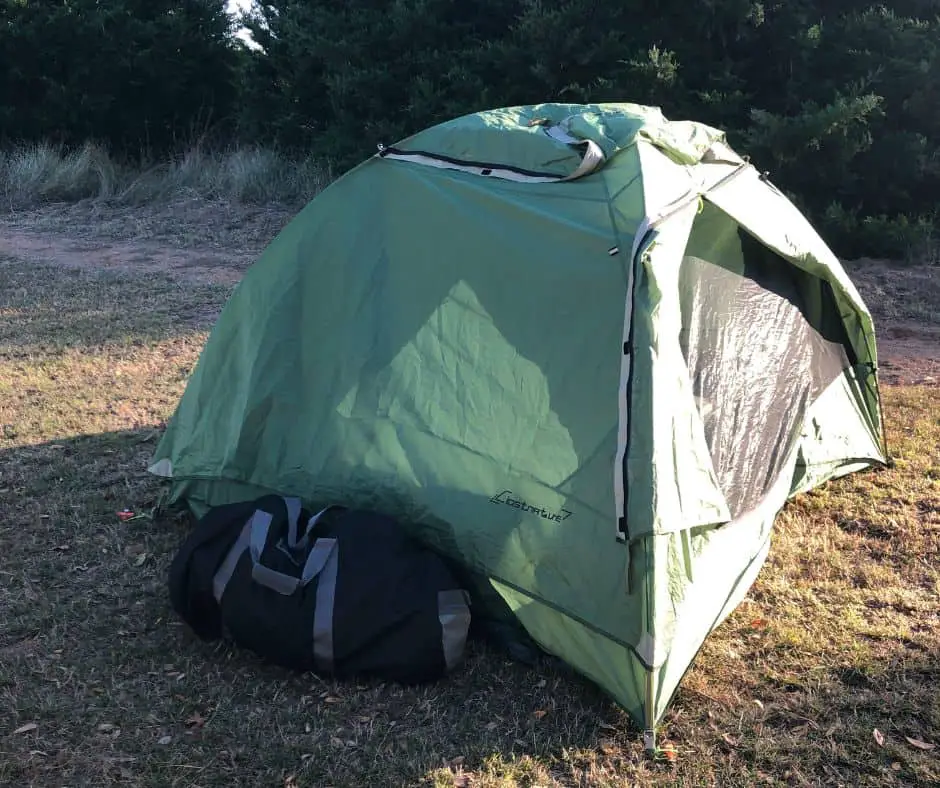
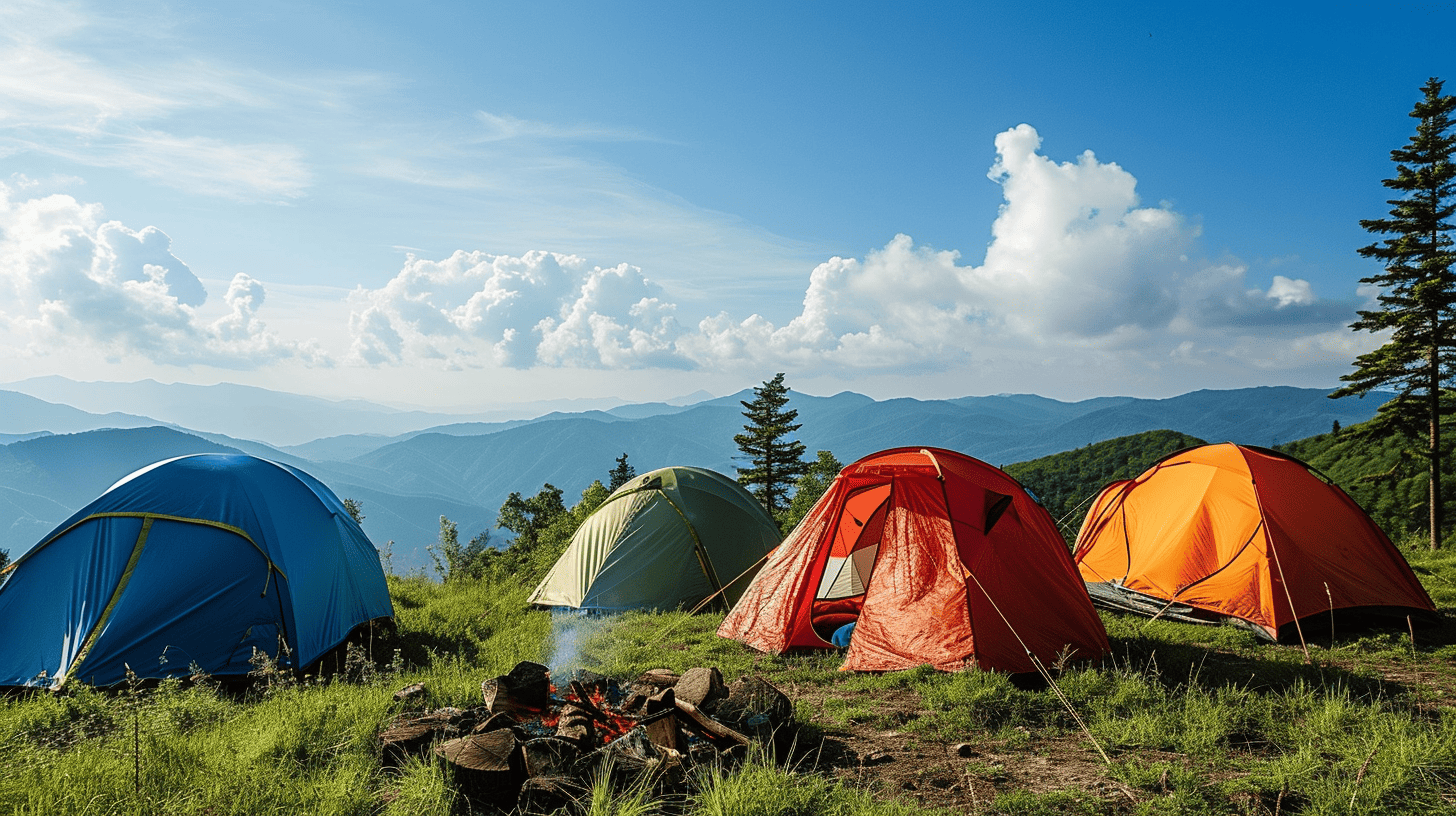 When it comes to choosing a tent for your outdoor adventures, durability and customization are key factors to consider. Dome tents, in particular, offer a range of features that make them a popular choice among campers and backpackers alike.
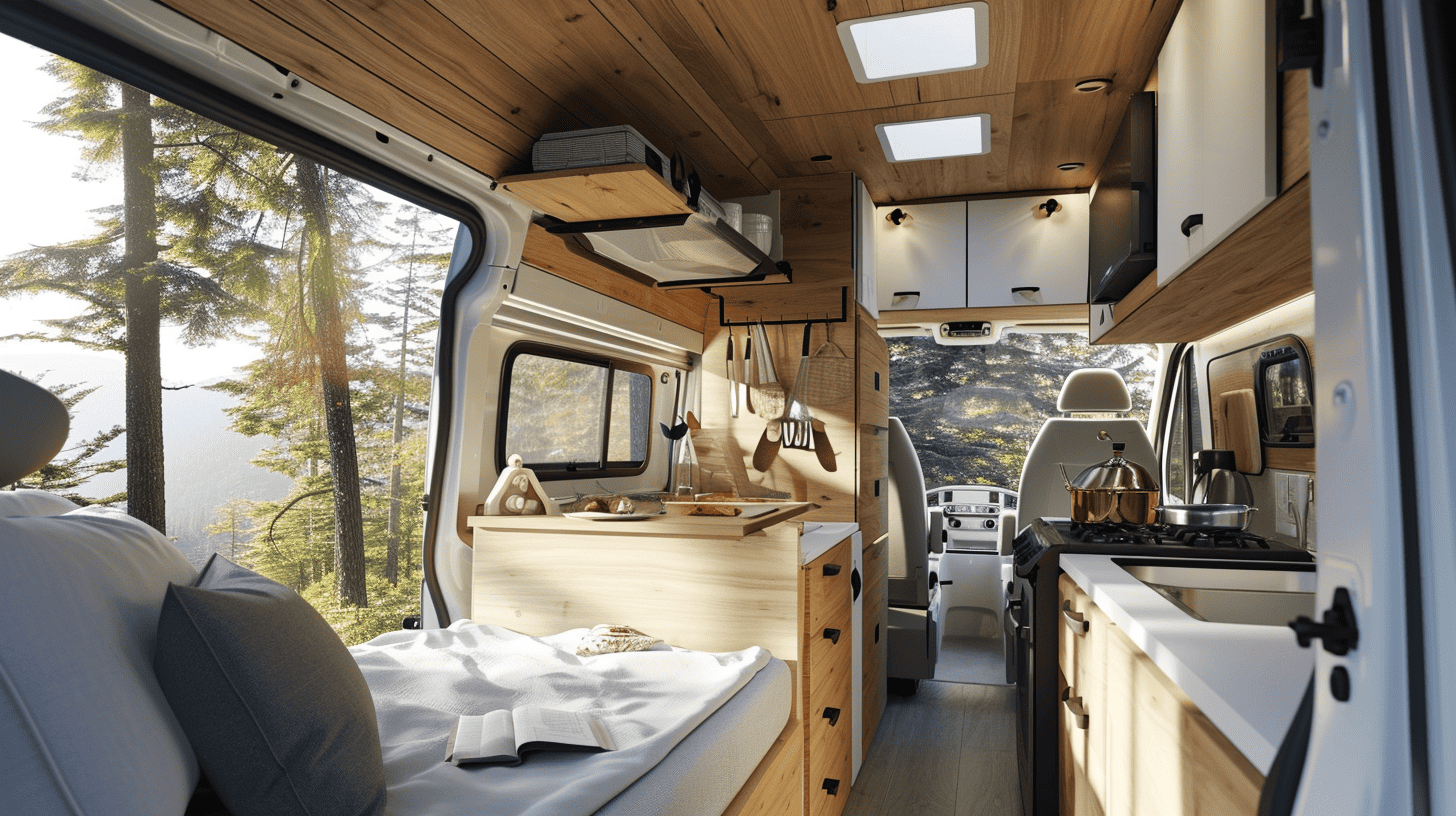




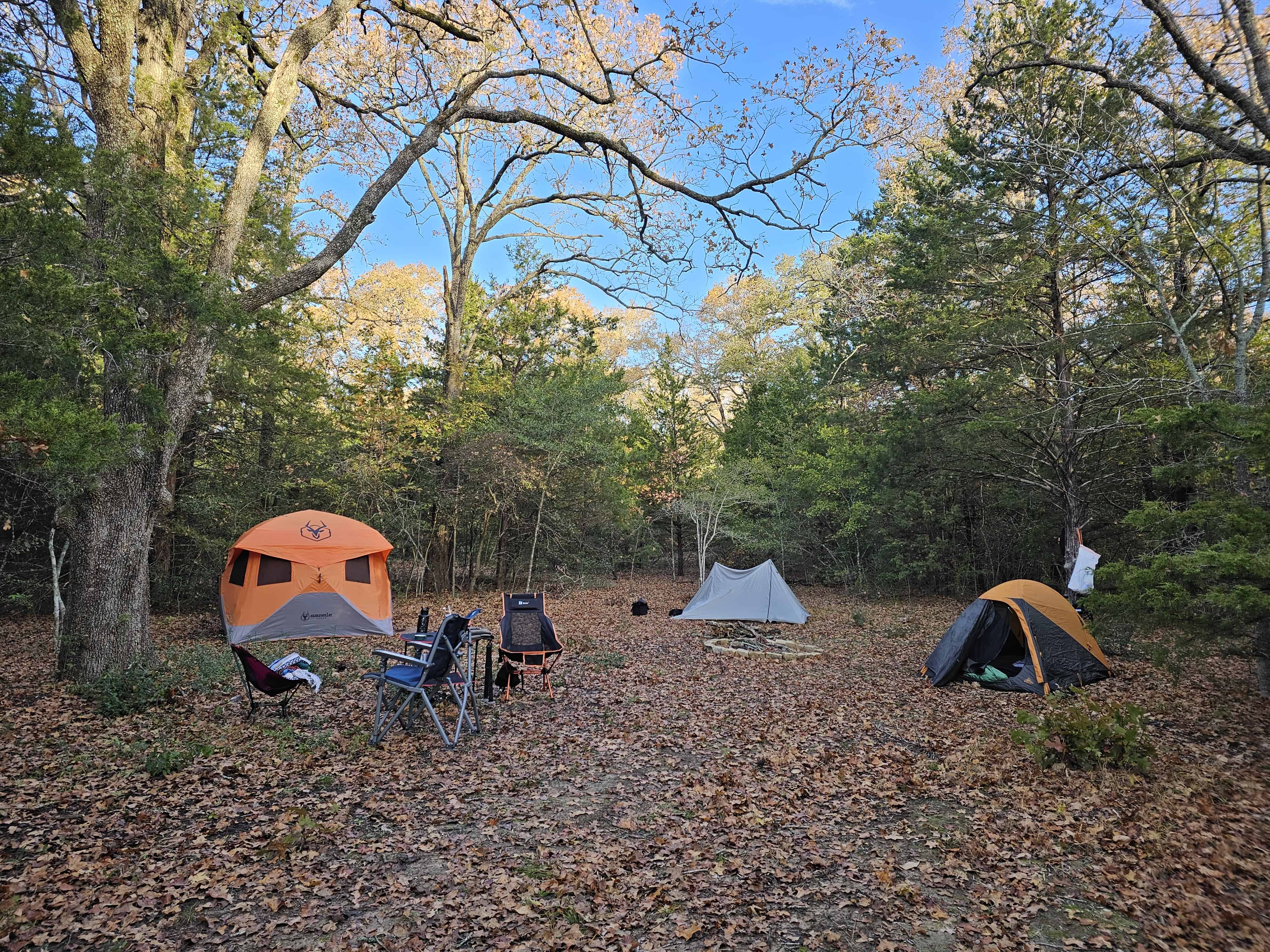
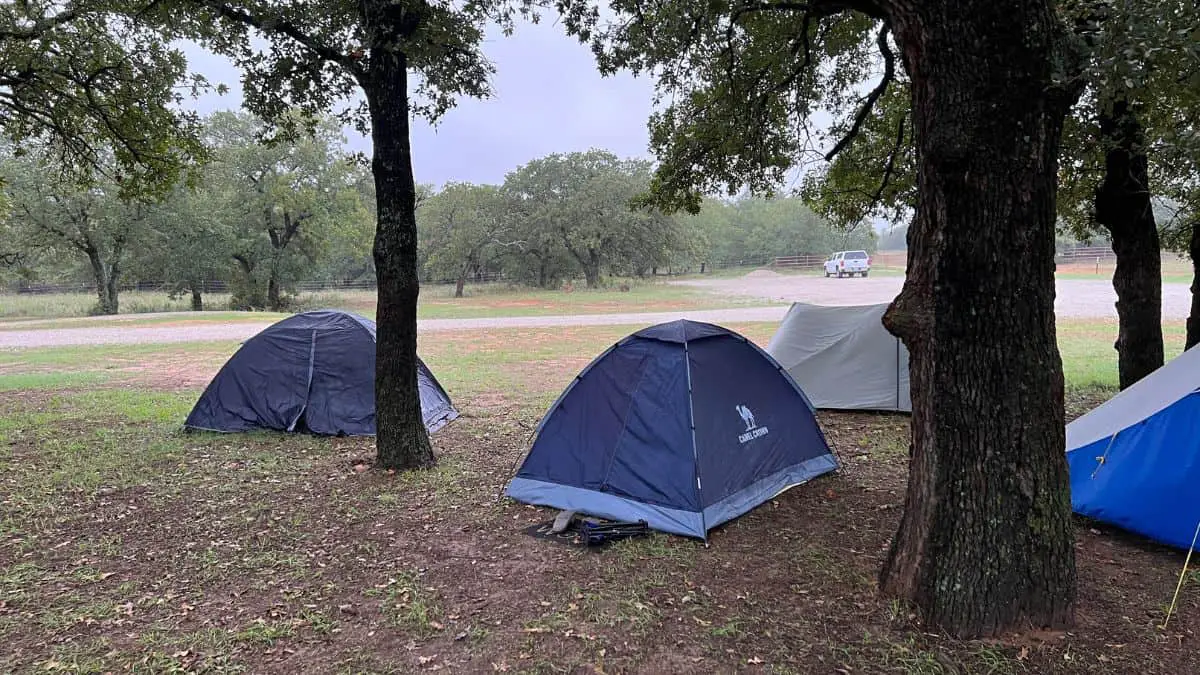 You can choose to car camp or backpack when primitive camping.
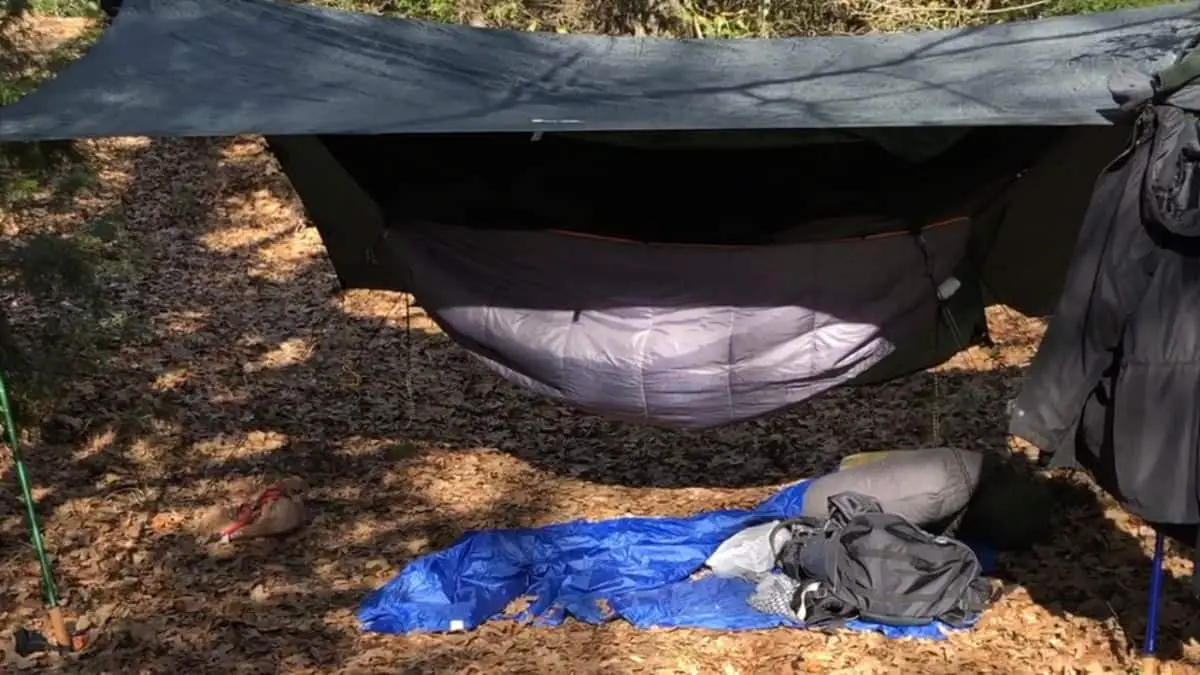 Primitive camping, a true back-to-nature experience, offers various shelter and sleeping options to suit different styles, whether you’re car camping or backpacking. The choice of shelter largely depends on how you’re accessing your campsite and how much gear you can carry.